-
 Pledge: Make Your Vote Count for PalestineThis year’s General Election provides a crucial opportunity to elect representatives who will take a stand for justice and be accountable to us, the people. Voters can use their power to demonstrate to political parties and candidates that those who enable or excuse Israel’s apartheid regime and genocide and ethnic cleansing of Palestinians will not be elected or re-elected. By signing this pledge, you are committing to make your vote count for Palestine. Together we will vote only for political parties and candidates that are committed to the liberation of Palestine, and will commit the next Government of Aotearoa New Zealand to: • Recognising Palestinian statehood • Sanctioning the occupation for its ongoing genocide and decades-long illegal occupation of Palestine • Creating special visa pathways for Palestinians wanting to come to Aotearoa New Zealand • Divesting public money from companies that uphold Israeli systems of apartheid and illegal settlements It is time for you to take the pledge and make your vote count for Palestine. JOIN A RALLY FOR PALESTINE ON 10 OCTOBER - FIND DETAILS OF THE ACTIONS IN YOUR AREA HERE.1,506 of 2,000 SignaturesCreated by Justice for Palestine
-
.png) Call on Political Leaders to Commit to Ethical CampaigningPolitical leaders set an example for society, including young people. How they campaign shapes what we see as acceptable in public life. We’re calling for political parties and candidates to uphold honesty, respect, transparency and integrity, and to campaign in ways that strengthen rather than undermine our democracy.600 of 800 SignaturesCreated by Aotearoa Educators Collective
Call on Political Leaders to Commit to Ethical CampaigningPolitical leaders set an example for society, including young people. How they campaign shapes what we see as acceptable in public life. We’re calling for political parties and candidates to uphold honesty, respect, transparency and integrity, and to campaign in ways that strengthen rather than undermine our democracy.600 of 800 SignaturesCreated by Aotearoa Educators Collective
-
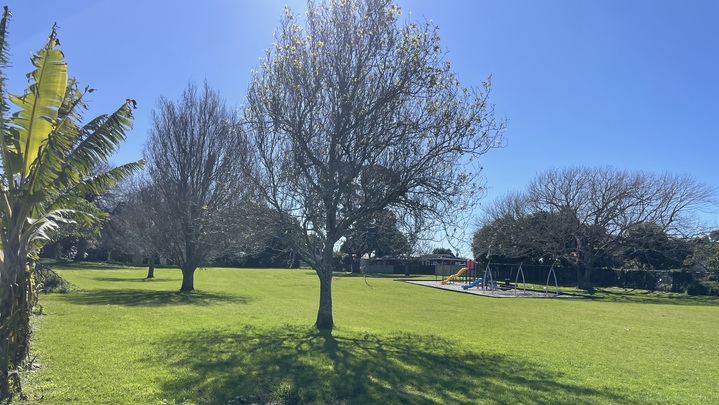 Save Torino ReserveOur community will thrive when we have strong connections between our whenua, our people and our housing. This means that as affordable homes are being built, we need to ensure whānau can access parks and playgrounds to gather and play. The Tāmaki community (Glen Innes, Panmure, Point England) is experiencing a government-led gentrification process throughout our community. The Tāmaki Regeneration Company (jointly owned by Auckland Council and central government) is increasing housing from 2,500 to 10,000 houses within a 5 km2 area; this doesn't include the private housing being built in the area. Within the small block that Torino Reserve is on, there is a Simplicity Building complex on 2 Torino St which has 69 apartments, over 150 Tāmaki Regeneration homes completed, and 4 more Tāmaki Regeneration developments planned. More good quality, warm homes are supported for our community, but this must happen alongside good public planning which retains and expands green spaces which provide spaces for all of those whānau to be able to bring their tamariki, come together and play. Torino Reserve provides green infrastructure to support existing and new whānau who live in the community. Torino Reserve has been an important space in our community since it was built in the 1950s. Its history includes being the nursery of the trees that are scattered around all of the old state houses in Tāmaki, and is now a dedicated overland flow path to divert floodwaters. It is a thoroughfare for local students, pedestrians and cyclists, and has been used for recreation for many years. Our community doesn’t want to be consulted anymore. We want collaboration and a seat at the table to be able to decide what happens in our community. We are calling on Auckland Council to work with the community of Tāmaki, to create a plan that builds more homes and protects the green spaces we need for our community and whānau to thrive.582 of 600 SignaturesCreated by Tara Moala
 -
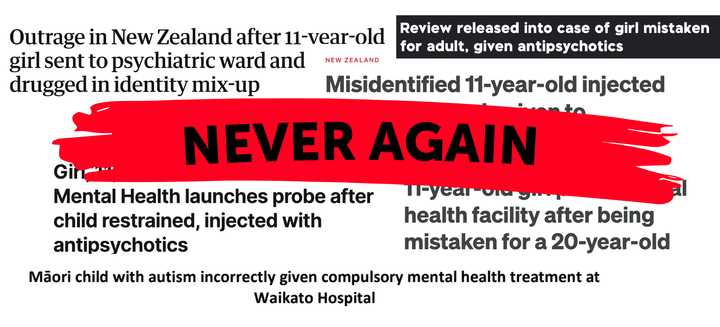.png) Never again: Ensure the wellbeing of children and tāngata whaikahaIn Aotearoa, tāngata whaikaha (disabled people) experience significant inequalities in healthcare access and quality compared to non-disabled individuals across all stages of life [3]. Similar inequalities are seen within policing systems, where tāngata whaikaha face inadequate support and discriminatory practices [4]. In a report by the Health Quality & Safety Commission Te Tāhū Hauora [3], it was found that: • Disabled people die from treatable conditions at five times the rate of non-disabled individuals. • Māori disabled people die from treatable conditions at nearly ten times the rate of non-Māori, non-Pacific, non-disabled individuals. • These inequalities are intensified for people with multiple disabilities and for Māori and Pacific disabled people. • Disability is largely absent from health data, as most major health datasets in Aotearoa do not record disability status. Research from the Donald Beasley Institute regarding policing delivery for tāngata whaikaha [4] found that: • Police in Aotearoa often lack the training to identify and respond to disability (including neurodivergence, psychosocial disability and learning disability). • Disabled people often feel their disclosures of disability are not believed or are ignored by police. • Some disabled people experience escalation of police contact, including use of force due to misinterpretation of disability. • Disabled people may be criminalised for disability-related behaviour instead of receiving appropriate health or disability support. No society should tolerate preventable harm caused by systematic failure. Tāngata whaikaha have a right to be treated with dignity, safety, and respect across all services. References 1. https://www.rnz.co.nz/news/national/547526/11-year-old-put-in-mental-health-facility-given-two-doses-of-antipsychotics-minister-says 2. https://www.rnz.co.nz/news/national/556934/misidentified-11-year-old-injected-with-drugs-rarely-given-to-children-review-finds 3. https://www.hqsc.govt.nz/resources/resource-library/a-window-on-disability/ 4. https://www.donaldbeasley.org.nz/our-projects/understanding-policing-delivery-takata-whaikaha-ddeaf-and-disabled-people775 of 800 SignaturesCreated by On behalf of the whānau
Never again: Ensure the wellbeing of children and tāngata whaikahaIn Aotearoa, tāngata whaikaha (disabled people) experience significant inequalities in healthcare access and quality compared to non-disabled individuals across all stages of life [3]. Similar inequalities are seen within policing systems, where tāngata whaikaha face inadequate support and discriminatory practices [4]. In a report by the Health Quality & Safety Commission Te Tāhū Hauora [3], it was found that: • Disabled people die from treatable conditions at five times the rate of non-disabled individuals. • Māori disabled people die from treatable conditions at nearly ten times the rate of non-Māori, non-Pacific, non-disabled individuals. • These inequalities are intensified for people with multiple disabilities and for Māori and Pacific disabled people. • Disability is largely absent from health data, as most major health datasets in Aotearoa do not record disability status. Research from the Donald Beasley Institute regarding policing delivery for tāngata whaikaha [4] found that: • Police in Aotearoa often lack the training to identify and respond to disability (including neurodivergence, psychosocial disability and learning disability). • Disabled people often feel their disclosures of disability are not believed or are ignored by police. • Some disabled people experience escalation of police contact, including use of force due to misinterpretation of disability. • Disabled people may be criminalised for disability-related behaviour instead of receiving appropriate health or disability support. No society should tolerate preventable harm caused by systematic failure. Tāngata whaikaha have a right to be treated with dignity, safety, and respect across all services. References 1. https://www.rnz.co.nz/news/national/547526/11-year-old-put-in-mental-health-facility-given-two-doses-of-antipsychotics-minister-says 2. https://www.rnz.co.nz/news/national/556934/misidentified-11-year-old-injected-with-drugs-rarely-given-to-children-review-finds 3. https://www.hqsc.govt.nz/resources/resource-library/a-window-on-disability/ 4. https://www.donaldbeasley.org.nz/our-projects/understanding-policing-delivery-takata-whaikaha-ddeaf-and-disabled-people775 of 800 SignaturesCreated by On behalf of the whānau -
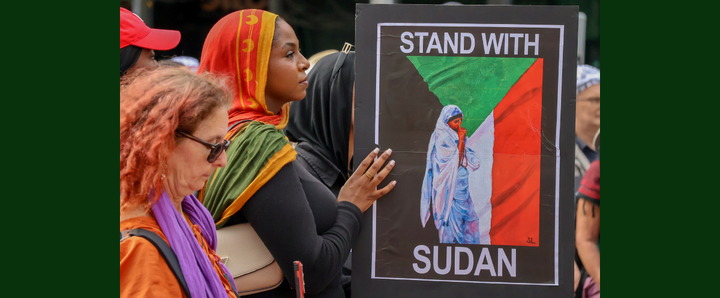.png) Urgent Establishment of a Sudan Special Humanitarian Visa PathwayContext April 15 marked three years since the outbreak of war in Sudan. The crisis has escalated into one of the most severe humanitarian emergencies globally, with over 33.7 million people in need of humanitarian assistance; more than half the country’s population. Approximately 25 million people face acute food insecurity, while more than 14 million children require urgent humanitarian support.¹ Sudan is also experiencing the largest displacement crisis in the world, with more than 12.4 million people forcibly displaced, including approximately 8.6 million internally displaced people and millions seeking refuge in neighbouring countries.² The conflict continues to involve widespread violence against civilians, including documented reports of systematic sexual violence against women and girls, particularly in Darfur.³ United Nations Independent Fact-Finding Mission reports (2026) identify hallmarks and indicators consistent with genocide in Darfur, including ethnically targeted violence and atrocity crimes.⁴ Despite the scale of the crisis, Sudan remains significantly underrepresented in global media and public discourse. This petition responds directly to the urgent humanitarian realities impacting Sudanese communities globally and within Aotearoa New Zealand. Policy and Human Rights Context New Zealand is a signatory to: • The 1951 Refugee Convention and its 1967 Protocol • The Universal Declaration of Human Rights • The International Covenant on Civil and Political Rights (ICCPR) • The Convention Against Torture These frameworks affirm: • The right to seek asylum • Protection from refoulement • The right to family unity • The obligation of states to respond to mass displacement and humanitarian crises This petition is further grounded in the Global Compact on Refugees (2018), which calls for expanded pathways to family reunification, increased international responsibility-sharing and strengthened protection mechanisms in contexts of large-scale displacement. These commitments are reinforced by Te Tiriti o Waitangi-informed principles of equity, active protection, and partnership, which require that state systems operate in ways that uphold dignity and fairness for all communities in Aotearoa. The scale, duration, and severity of the conflict in Sudan warrants a targeted humanitarian response, similar to pathways previously extended to other conflict-affected populations. In particular, there is an urgent need to prioritise family reunification pathways for Sudanese communities already living in Aotearoa, including extended family members, as part of a rights-based and humanitarian response consistent with international obligations. References ¹ UNICEF Sudan Humanitarian Situation Reports (2025–2026); World Food Programme Sudan Emergency Updates (2025–2026). https://www.unicef.org/sudan/reports/unicef-sudan-humanitarian-situation-report-2025 https://www.wfp.org/news/joint-news-release-wfpfaounicef-risk-famine-persists-nearly-195-million-people-face-acute-food ² UNHCR Sudan Emergency and Regional Refugee Response (2025–2026). https://www.unhcr.org/emergencies/sudan-emergency https://data.unhcr.org/en/situations/sudan ³ UN Women Sudan Crisis Reports (2025–2026); Human Rights Watch Sudan Documentation Reports (2025–2026). https://www.unwomen.org/en/articles/faqs/how-women-and-girls-are-being-targeted-in-the-war-in-sudan https://www.hrw.org/world-report/2026/country-chapters/sudan ⁴ United Nations Independent International Fact-Finding Mission for Sudan (2026). https://www.ohchr.org/en/hr-bodies/hrc/fact-finding-mission-sudan2,378 of 3,000 SignaturesCreated by Sudan Advocacy Network Aotearoa
Urgent Establishment of a Sudan Special Humanitarian Visa PathwayContext April 15 marked three years since the outbreak of war in Sudan. The crisis has escalated into one of the most severe humanitarian emergencies globally, with over 33.7 million people in need of humanitarian assistance; more than half the country’s population. Approximately 25 million people face acute food insecurity, while more than 14 million children require urgent humanitarian support.¹ Sudan is also experiencing the largest displacement crisis in the world, with more than 12.4 million people forcibly displaced, including approximately 8.6 million internally displaced people and millions seeking refuge in neighbouring countries.² The conflict continues to involve widespread violence against civilians, including documented reports of systematic sexual violence against women and girls, particularly in Darfur.³ United Nations Independent Fact-Finding Mission reports (2026) identify hallmarks and indicators consistent with genocide in Darfur, including ethnically targeted violence and atrocity crimes.⁴ Despite the scale of the crisis, Sudan remains significantly underrepresented in global media and public discourse. This petition responds directly to the urgent humanitarian realities impacting Sudanese communities globally and within Aotearoa New Zealand. Policy and Human Rights Context New Zealand is a signatory to: • The 1951 Refugee Convention and its 1967 Protocol • The Universal Declaration of Human Rights • The International Covenant on Civil and Political Rights (ICCPR) • The Convention Against Torture These frameworks affirm: • The right to seek asylum • Protection from refoulement • The right to family unity • The obligation of states to respond to mass displacement and humanitarian crises This petition is further grounded in the Global Compact on Refugees (2018), which calls for expanded pathways to family reunification, increased international responsibility-sharing and strengthened protection mechanisms in contexts of large-scale displacement. These commitments are reinforced by Te Tiriti o Waitangi-informed principles of equity, active protection, and partnership, which require that state systems operate in ways that uphold dignity and fairness for all communities in Aotearoa. The scale, duration, and severity of the conflict in Sudan warrants a targeted humanitarian response, similar to pathways previously extended to other conflict-affected populations. In particular, there is an urgent need to prioritise family reunification pathways for Sudanese communities already living in Aotearoa, including extended family members, as part of a rights-based and humanitarian response consistent with international obligations. References ¹ UNICEF Sudan Humanitarian Situation Reports (2025–2026); World Food Programme Sudan Emergency Updates (2025–2026). https://www.unicef.org/sudan/reports/unicef-sudan-humanitarian-situation-report-2025 https://www.wfp.org/news/joint-news-release-wfpfaounicef-risk-famine-persists-nearly-195-million-people-face-acute-food ² UNHCR Sudan Emergency and Regional Refugee Response (2025–2026). https://www.unhcr.org/emergencies/sudan-emergency https://data.unhcr.org/en/situations/sudan ³ UN Women Sudan Crisis Reports (2025–2026); Human Rights Watch Sudan Documentation Reports (2025–2026). https://www.unwomen.org/en/articles/faqs/how-women-and-girls-are-being-targeted-in-the-war-in-sudan https://www.hrw.org/world-report/2026/country-chapters/sudan ⁴ United Nations Independent International Fact-Finding Mission for Sudan (2026). https://www.ohchr.org/en/hr-bodies/hrc/fact-finding-mission-sudan2,378 of 3,000 SignaturesCreated by Sudan Advocacy Network Aotearoa -
 Pledge: Vote for KaiWe’re food producing champions. We should be able to feed our people. Too many children go to school hungry. Too many people are skipping meals because the money runs out before the week does. Too many of us are making tough choices between nutritious food, rent, power, health care, fuel and other essentials. As a nation, we’ve never been short of ingenuity when something needs fixing. Our food system needs redesigning, and we all need to work together to find the solutions. We need a commitment to a long term plan to deal with the underlying causes of food insecurity, rather than just muddling along with an increasing amount of hungry families needing foodbanks. We are everyday people: iwi, hapū, whānau members, mums and dads, aunties and uncles, farmers, fishers and food producers, health workers, community groups, educators, businesses, organisations, and eaters. No matter who we are or where we are from, we all agree food is not getting the serious political attention it deserves, and that needs to change. We can do better. We are calling on all political parties to make a genuine commitment to a food system that works for everyone. We want to see this commitment before the election so we can support those with the best solutions. Specifically, we want to see: A long-term plan. Affordable, healthy kai for everyone. Farming and food that looks after animals, the land and the ocean. A fair go for local producers, manufacturers and food businesses. Good food environments for our tamariki / children. A food system grounded in Te Tiriti o Waitangi. Communities having a decision-making role in their kai / food system. Celebration and protection of our food cultures. We believe Aotearoa New Zealand can become a place where everyone has access to good food, where local kai systems thrive, food producers are valued, communities are resourced and exports are a vital part of our economy. We’re not asking political parties to agree on everything but access to kai is fundamental. By signing this pledge to vote for kai you are sending a message to political parties across the spectrum that you expect to see robust policies that will strengthen our food systems. We will update everyone who signs this pledge about what commitments each political party makes in relation to our demands.2,116 of 3,000 SignaturesCreated by Angela Clifford
 -
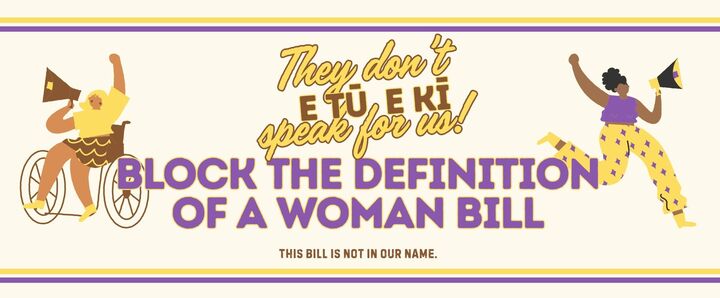%20(1).jpg) E Tū E Kī: They Don’t Speak for Us - Block the Definition of Woman BillThe Government is progressing a Bill through Parliament that aims to limit the rights of transgender, non-binary, and intersex New Zealanders in the name of cis women, by defining “man” and “woman” (along with “male” and “female”) in legislation as “adult human biological male” and “adult human biological female”. This bill is nonsensical - it doesn’t define “biology”, and nor is “biology”, “male”, or “female” defined in New Zealand legislation. The Attorney General has raised concerns because the bill could impact on access to reproductive healthcare for cis women under 20, and there are so many pieces of law that become nonsense when “woman” is turned into “adult human biological female”. The bill won’t make cis women safer - because our law already allows places like women’s refuge to exclude trans women if they need to. They choose not to, because they see trans women impacted by the same misogyny-fuelled violence that all women face. However, what the bill will do is cause confusion about how the law applies, and expose trans, non-binary, and intersex people in Aotearoa to more harm. The bill doesn’t give the clarity they say it will - instead it’s a meaningless attack on an already marginalised population - in our name. We reject the discrimination and attempts at exclusion of trans people in the name of our safety. For decades, biology has been used by politicians as an argument to deny women the vote, to deny gay couples’ right to be together, to control women’s bodies, and to deny people their basic freedoms. We refuse to be divided by arbitrary definitions - and we refuse to be reduced to our “biology” or our reproductive capacity. We believe that the government should be focusing on real issues women are facing such as the gutting of pay equity claims and the defunding of sexual violence agencies. Those who continue to target trans people in Aotearoa don’t do so in our name. We feel strongly that this Bill does not speak for the vast majority of cisgender women in Aotearoa - they do not speak for us! We’re asking cis women in Aotearoa to sign this petition calling for all parties to vote against the Legislation (Definition of Woman and Man) Amendment Bill at its second reading, and to make it clear: transgender women are women, and we stand alongside them - against this bill and against all attacks on trans people. What else can we do? Submissions to the Select Committee are now open - it’s important that as many people as possible make a submission to show clear opposition to this bill. Signing this petition is not making a submission! Here is a submission guide you could use. You can also request to meet your local MP, or email MPs - particularly the MPs sitting on the select committee27,178 of 30,000 SignaturesCreated by E Tū, E Kī
E Tū E Kī: They Don’t Speak for Us - Block the Definition of Woman BillThe Government is progressing a Bill through Parliament that aims to limit the rights of transgender, non-binary, and intersex New Zealanders in the name of cis women, by defining “man” and “woman” (along with “male” and “female”) in legislation as “adult human biological male” and “adult human biological female”. This bill is nonsensical - it doesn’t define “biology”, and nor is “biology”, “male”, or “female” defined in New Zealand legislation. The Attorney General has raised concerns because the bill could impact on access to reproductive healthcare for cis women under 20, and there are so many pieces of law that become nonsense when “woman” is turned into “adult human biological female”. The bill won’t make cis women safer - because our law already allows places like women’s refuge to exclude trans women if they need to. They choose not to, because they see trans women impacted by the same misogyny-fuelled violence that all women face. However, what the bill will do is cause confusion about how the law applies, and expose trans, non-binary, and intersex people in Aotearoa to more harm. The bill doesn’t give the clarity they say it will - instead it’s a meaningless attack on an already marginalised population - in our name. We reject the discrimination and attempts at exclusion of trans people in the name of our safety. For decades, biology has been used by politicians as an argument to deny women the vote, to deny gay couples’ right to be together, to control women’s bodies, and to deny people their basic freedoms. We refuse to be divided by arbitrary definitions - and we refuse to be reduced to our “biology” or our reproductive capacity. We believe that the government should be focusing on real issues women are facing such as the gutting of pay equity claims and the defunding of sexual violence agencies. Those who continue to target trans people in Aotearoa don’t do so in our name. We feel strongly that this Bill does not speak for the vast majority of cisgender women in Aotearoa - they do not speak for us! We’re asking cis women in Aotearoa to sign this petition calling for all parties to vote against the Legislation (Definition of Woman and Man) Amendment Bill at its second reading, and to make it clear: transgender women are women, and we stand alongside them - against this bill and against all attacks on trans people. What else can we do? Submissions to the Select Committee are now open - it’s important that as many people as possible make a submission to show clear opposition to this bill. Signing this petition is not making a submission! Here is a submission guide you could use. You can also request to meet your local MP, or email MPs - particularly the MPs sitting on the select committee27,178 of 30,000 SignaturesCreated by E Tū, E Kī -
 Restore Funding for Wellington’s Citizens Advice BureauThese cuts will hit hardest for: • people struggling with the rising cost of living; • workers facing redundancy or employment issues; • tenants dealing with housing insecurity; • migrants and former refugees; • disabled people, older people, and students; • whānau experiencing hardship or isolation. Citizens Advice Bureau Wellington provides vital free information, advice, and support including budgeting advice to more than 11,000 people every year. With the impacts of the high cost of living, continuing public service cuts, and growing job losses in Wellington, the support CAB provides is more critical than ever. Wellington CABs are powered by over 125 dedicated volunteers, but volunteers alone cannot sustain the service. Continued funding is essential to maintain physical spaces where people can access in-person support, and to retain the small team of staff who coordinate services, train volunteers, and ensure the CAB service remains accessible and effective. Wellington CABs need every cent of the approximately $240,000 per annum they have been receiving from Council to support Wellingtonians. Yet Council has slashed that funding to just $100,000. This puts at risk the survival of the CAB service in Wellington. For decades, CABs have helped people navigate tenancy issues, employment disputes, immigration processes, financial hardship, family challenges, and access to government, council and community services. CAB services are free, confidential, independent, and available to everyone. At a time when community need is increasing, Wellington City Council should be strengthening this essential service – not undermining it. This includes other community groups that we work alongside. We ask Wellington City Council to: • Reverse the funding cuts to Wellington CABs • Commit to a sustainable long-term funding partnership for CAB services in Wellington. Removing this funding will not remove the need. It will simply remove one of Wellington’s most trusted and accessible sources of support. Sign the petition and call on Wellington City Council to restore full funding for Wellington Citizens Advice Bureau. Please share widely. References • PwC, Service Review Citizens Advice Bureau Wellington (December 2018) • ImpactLab, Citizens Advice Bureau North Shore Incorporated Relationship-related Enquires ImpactLab GoodMeasure Report (October 2022) - showed CAB services provided a $1:$13.20 social return on investment. Other ways you can help • Contact the Mayor and your local Councillors to tell them you oppose the cut to Wellington CAB funding and ask them to fully reinstate the funding and provide long term funding for the CAB. Find details about your local councillor here https://wellington.govt.nz/your-council/about-the-council/mayor-and-councillors/councillors • Spread the word to friends, whānau, and your community. • Help people who are digitally excluded to sign the petition here or in person at their local CAB.9,893 of 10,000 SignaturesCreated by Sacha Green
 -
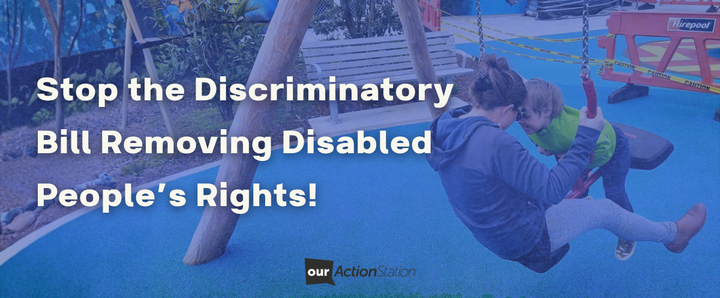 Stop the Discriminatory Bill Removing Disabled People’s Rights – Ensure Fair Due ProcessDisabled people and their carers already face huge barriers just to live, work and care. This bill sets a dangerous precedent and strips away legal rights that other New Zealanders still have. It cancels existing court cases, shuts down claims that were filed properly and on time, and stops disabled people and their families from asking the courts to decide if they have been underpaid for years of essential care work. The bill will also prevent the Human Rights Commission and the Health and Disability Commissioner from taking action against the government for unlawful discrimination against people with disabilities and their whānau. No other group of workers is being targeted and exploited in this way. If any other employer tried to pass a law that said “you can’t take us to court any more, and your current cases are wiped”, people would be outraged. Yet that is what this bill does to disabled people and their families, while politicians claim it 'changes nothing'. This is about whether disabled people and their carers are treated as equal under the law. We should not accept a two‑tier system where some people can still enforce their rights in court, while disabled people and their families are told their rights can be taken away by a fast‑tracked bill. Disabled communities and their whānau are already facing unfair circumstances and enormous strains. Now, more than ever, we need your support to stop this government from weaponising our needs and making us feel less valued in society. Make sure to sign up for further updates when you sign the petition so we can let you know the details of the select committee process.16,458 of 20,000 SignaturesCreated by Victoria Coleman
-
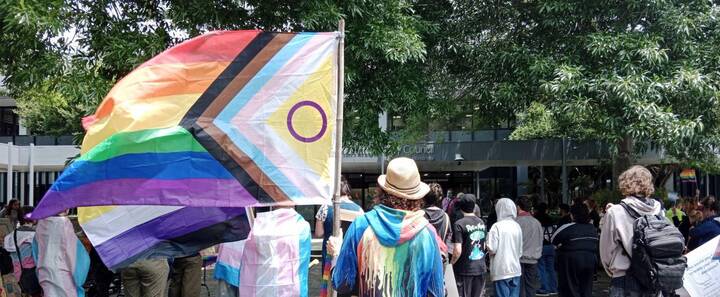 Restore access to gender-affirming care at the University of Waikato!Health care in Aotearoa should be an inclusive and welcoming space no matter who you are or where you are from. Everyone should experience high quality treatment in a timely manner. Gender-affirming hormone therapy (GAHT) is life-saving care and the medications are well understood. Since the departure of the sole clinician initiating GAHT under their service, Student Health have thus far refused to implement a timely alternative. Trans students are instead left with no choice besides referral to Sexual Health. There was no need to do this; GPs are perfectly capable of administering these medications, their doing so is the norm in most of the country, and until recently this was done at Student Health itself without issues. GAHT initiation through a secondary service is not typical practice according to the findings from Counting Ourselves' 2022 Aotearoa Trans & Non-binary Health Survey. Other regions have seen a shift since the team's 2018 results, where initiation is more commonly maintained by primary care. However, Waikato continues to overuse Sexual Health Services, where the current wait for a first appointment is ten to eleven months. This exacerbates wait times and already strained resources, impacting the service's ability to adequately meet the demand of all patients. International students are also particularly impacted, as they have few other financially viable choices. Subsidised training is recognised and available through PATHA (Professional Association of Trans Health Aotearoa). Student Health clinical leads have been made aware of this, but have not followed through. Trans bodies and care are not a 'specialty', and do not necessitate a separate service to address GAHT initiation. Student Health has adopted what is in our opinion a 'matter of choice' belief in carrying out culturally competent practices for the community, perpetuating harm onto students as a consequence of not prioritising trans health needs in a primary care context. Together we can ensure that our trans students get the care that they need and deserve, care that is timely and that affirms their humanity and lived experience. Please share this petition far and wide, and help us to help our rangatahi thrive.866 of 1,000 SignaturesCreated by UniQ Waikato
 -
 Don't scrap the Broadcasting Standards Authority. Strengthen it!The BSA is the only real protection New Zealand has against the broadcasting of lies, abuse or misinformation. Since 1989, it has done an excellent job supporting our television and radio broadcasters to be responsible by providing an avenue for complaints from the public. The BSA upholds standards which all broadcasters must meet. These cover: • offensive and disturbing content, • the interests of children, • promotion of illegal or antisocial behaviour, • discrimination and denigration, • balance, • accuracy, • privacy, and • fairness. Without these standards, New Zealand’s media cannot claim to be responsible and trustworthy. A different organisation called the Media Council regulates print and online media but it has no teeth. It can't force media organisations to be responsible if they go rogue. Moreover, if media like the Platform and Reality Check Radio don't join the Media Council (which they haven't), they're not within its jurisdiction and can be as irresponsible as they wish. For years, many observers have been calling on the government to increase the BSA’s scope to include online media. Instead, the government proposes to scrap the BSA and increase the Media Council to include radio and television. As a result standards will slide and NZ will drift inexorably towards a media system like we see currently in the US.7,302 of 8,000 SignaturesCreated by Better Public Media Trust
 -
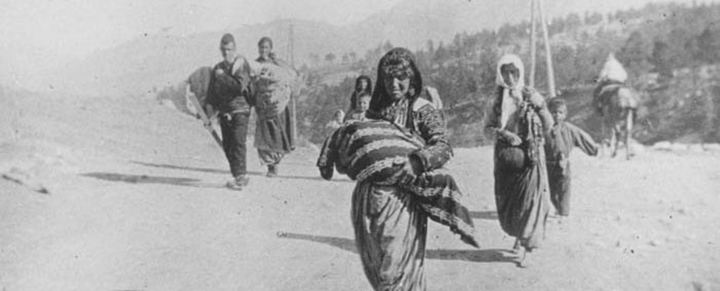 Tell the truth! Recognise the Armenian GenocideOn the 24th of April 1915, the Ottoman Empire began systematic massacres and mass deportations of indigenous Armenians, killing between 1 and 1.5 million and displacing 100,000's more - over 90% of the Ottoman Armenian population.[1,2] The Ottoman Empire also targeted other Indigenous minorities at the same time, killing up to 500,000 Assyrians and 350,000 Greeks and displacing 100,000's more.[3] Historians and genocide scholars overwhelmingly agree that the Ottoman Empire's actions constitute a genocide.[4] But over 100 years later, New Zealand still has not officially recognised this history.[5] By refusing to acknowledge the atrocities of the past, New Zealand sets a dangerous precedent. In the years after the Armenian Genocide, many European countries turned a blind eye and believed in Turkey's genocide denial, allowing a new wave of genocidal leaders to take charge.[6] Adolf Hitler himself justified his invasion of Poland in 1939 by saying, "Who, after all, speaks today of the annihilation of the Armenians?".[7] More recently, in 2022-3, Azerbaijan blockaded and invaded the ethnically Armenian territory of Artsakh and ethnically cleansed over 100,000 indigenous Armenians.[8,9] New Zealand's only response was to sign a joint statement in the UN expressing "deep concern" and (unsuccessfully) asking Azerbaijan to comply with international law.[10] When we do not acknowledge history, we are doomed to make the same mistakes and allow atrocities to continue around the world. Over 30 countries, including the United States, Canada, Mexico, France, Germany, Sweden, and Switzerland, as well as the European Parliament and Latin American Parliament, have all taken this essential step of formally recognising the Armenian Genocide.[11] How can New Zealand claim to be a world leader while falling behind on such a basic benchmark? Our government is doing a disservice not only to the Armenians of New Zealand but to everyone. If we don't have the spine to recognise a genocide from 1915, how are we to recognise and fight against genocide today? Together we must stand up for the truth. This Armenian Genocide Remembrance Day, we call on New Zealand to formally recognise the Armenian Genocide and make a commitment to uphold its responsibility to the international community. References: 1. https://www.theguardian.com/news/2015/apr/16/the-armenian-genocide-the-guardian-briefing 2. https://www.britannica.com/question/What-were-the-consequences-of-the-Armenian-Genocide 3. https://worldwithoutgenocide.org/genocides-and-conflicts/the-ottoman-christian-genocide#:~:text=Between%20250%2C000%20and%20500%2C000%20Assyrians%20and%20around,Genocide.%20Hundreds%20of%20thousands%20more%20were%20displaced. 4. https://genocidescholars.org/wp-content/uploads/2019/04/Scholars-Denying-Armenian-Genocide-.pdf 5. https://www.stuff.co.nz/national/politics/124109301/anzacs-and-atrocities-will-new-zealand-ever-recognise-the-armenian-genocide 6. https://www.armenian-genocide.org/recognition.html 7. https://genocideeducation.org/more-resources/hitler-and-the-armenian-genocide/ 8. https://www.theguardian.com/world/2023/aug/22/inside-nagorno-karabakh-blockade-armenia-azerbaijan 9. https://freedomhouse.org/article/new-report-azerbaijani-regime-ethnically-cleansed-nagorno-karabakh-according-international 10. https://allinnet.info/news/a-joint-statement-regarding-the-situation-in-nagorno-karabakh-was-presented-at-the-un-human-rights-council/ 11. https://en.wikipedia.org/wiki/Armenian_genocide_recognition Image: Armenian Deportees, November 1915. United States Holocaust Memorial Museum Photo Archives. Courtesy of Sybil Stevens (daughter of Armin T. Wegner). Wegner Collection, Deutsches Literaturarchiv, Marbach & United States Holocaust Memorial Museum. https://encyclopedia.ushmm.org/content/en/photo/armenian-deportees568 of 600 SignaturesCreated by Lo Aleen