-
 Clean Air in SchoolsCovid can have substantial impacts on peoples’ health. Although Covid initially enters the body through the respiratory system, it can affect virtually every bodily system and organ. There are no advantages to catching Covid. Every infection increases the chance of serious damage to the body.[1] Studies show that at least 10% of all Covid infections result in Long Covid, including in children.[2] Long Covid symptoms include fatigue, brain fog, dizziness and headaches, sleep disruption, and anxiety which impact children's school performance and attendance.[3] In particular, too many children and educators are still getting Covid. We shouldn’t be so careless with our taonga. Teachers are most at risk of catching Covid.[4] Too many have had to leave the profession due to Long Covid. Schools are the best place to start deploying better tools to manage airborne diseases, which also include measles and whooping cough. When children acquire infections, they carry them home to their families and into our communities. Māori, Pasifika and disabled people have been especially hard hit by Covid,[5] and we know government response that devolves power to those communities works best. Under Te Tiriti o Waitangi, Government has a responsibility to uphold working with Māori in partnership and that is not happening with the Covid response anymore. We know a number of effective strategies to reduce Covid’s spread and it is not acceptable to continue our hands-off approach to Covid. Schools that have taken action regarding clean air have found reduced transmission, healthier school communities, and better student achievement.[6] The three main areas where we can make the biggest impact collectively are: clean air, vaccination, and supporting the health needs of school and ECE communities. A healthy clean air classroom should have five air changes per hour with the exhaled air in the room being replaced with fresh air.[7] Having access to CO2 monitors and portable air cleaners plays a critical role in achieving this. We can use CO2 monitors to check the indoor air quality and respond by opening windows and doors and/or deploying HEPA air filters and HVAC systems. Vaccines have played an important part in combating Covid worldwide. At the moment, the New Zealand government allows only very limited access to regular Covid boosters even though it has been shown that updated vaccines decrease the risk of infection and long-term effects like Long Covid.[8] Isolation and rest protect afflicted individuals and break chains of transmission. People need access to tests as well as adequate sick leave for themselves and to care for family members. With these sorts of measures, we can decrease absences, keep educators and children healthy, and even improve academic achievement. For more information about the importance of clean air in schools, visit the ACA website. Sources: 1. https://www.phcc.org.nz/briefing/long-covid-update-threat-continues-demand-strong-response 2. https://www.nature.com/articles/s41579-022-00846-2 3. https://publications.aap.org/pediatrics/article/153/3/e2023062570/196606/Postacute-Sequelae-of-SARS-CoV-2-in-Children 4. https://pmc.ncbi.nlm.nih.gov/articles/PMC7615205/ 5. https://www.wgtn.ac.nz/news/2023/01/covid-19-impacts-worse-for-maori-pasifika-and-disabled-people-study-finds 6. https://www.nber.org/system/files/working_papers/w30061/w30061.pdf 7. https://www.cdc.gov/niosh/ventilation/prevention/aim-for-5.html 8. https://www.health.govt.nz/system/files/2024-09/prop-028-report.pdf Organisations and individuals supporting this campaign: https://raisely-images.imgix.net/aotearoa-covid-action/uploads/signatories-jpg-d177d4.jpg Aotearoa Covid Action ActionStation NZEI Te Riu Roa PPTA ANZMES Long Covid Kids Long Covid Support Aotearoa Awhi Ngā Mātua Complex Chronic Illness Support Disabled Persons Assembly NZ ME Support 350 Aotearoa End ASH Now The Air Quality Collective Professor Michael Baker - Director, Public Health Communication Centre Dr Amanda Kvalsvig MBChB, MRCPCH, MSc (Epidemiology), PhD (Epidemiology) John D Potter MBBS PhD, Professor, Center for Public Health Research, Massey University, Wellington Dr Matire Harwood PhD, FRNZCGP, Toi Whanau Health Ltd. Dr Gary Payinda Dr Ed Hyde Dr David Galler Dr Stuart Ekdahl MBChB FRNZCUC Dr Siouxsie Wiles MNZM PhD (Microbiology) Dr Anna Stevenson MBChB, FNZCPHM2,541 of 3,000 Signatures
 -
 The Government must apologise to disabled adults, children and their whānauSigned by Awhi Ngā Mātua, IHC, Disabled Persons Assembly NZ Inc, Parent to Parent, Disability Connect, Mental Health Foundation of New Zealand, NZEI Te Riu Roa, Parents of Vision Impaired PVINZ, iFUNZ, NATINA Neuroscience And Trauma Informed Network Aotearoa, ASD Dads NZ, VIPS Equity in Education, Flying Kites, Empower Learning Project, Inclusive Performance Academy, Fragile X New Zealand, NZ Disability Advisory Trust Inc, United Community Action Network (UCAN), Te Aka Tauira - Victoria University of Wellington Students’ Association, Auckland Action Against Poverty, United Community Action Network, Project Gender, ActionStation, The Angelman Network, Fairer Future Collaboration, Aotearoa Liberation League, Little Shadow, Te Kura o Hāpuku, System Change Aotearoa, NZ Disability Advisory Trust Inc., Supporting Diversity, Whakaata Tohu Tohu | Mirror Services, Justice and Peace Commission Catholic Diocese of Auckland, Standards and Monitoring Services, Chrome Collective Charitable Trust, Willow Corner, Kahu Hurihia Durie Family Trust, Barbarian Productions Ltd., Pōneke Anti-Fascist Coalition,Lead Aware NZ, Northern Monthly Meeting, the Auckland and Northland branch of the Religious Society of Friends in Aotearoa/ New Zealand (Quakers) Te Hāhi Tūhauwiri.11,813 of 15,000 SignaturesCreated by Awhi Ngā Mātua
 -
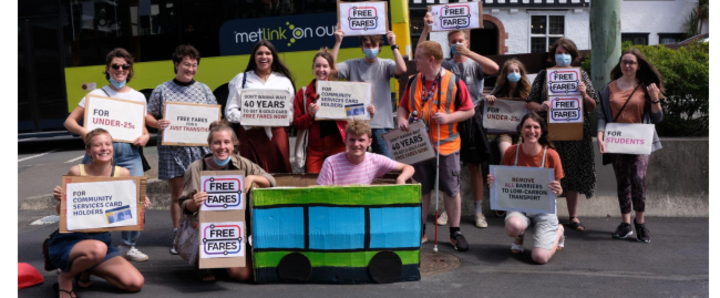 Stop the proposed public transport fare hikes***NOTE: This petition was delivered in April 2025. If you sign after that date, we will keep you updated about the campaign, but we won't deliver your name to Parliament. You can also follow us on Facebook or Instagram. Together, let's work for affordable public transport!*** We believe Aotearoa New Zealand should be a place where everyone can afford public transport. We are concerned that the Government is trying to increase the ‘private share funding targets’ for public transport which will require public transport authorities to significantly increase fares - often against their wishes - to meet those targets. This could add pressure for people, especially those most affected by transport poverty. In Wellington the private share targets could lead to fare increases of over 70%[1]. Other councils have warned of similar and worse fare hikes, such as fares going from $2 to $8 in Christchurch[2]. We believe the Government should instead increase funding for public transport to reduce emissions and improve equity. We have a vision of free public transport for those who need it most. This would reduce emissions from a major sector (transport), reduce one aspect of the cost of living for those who spend the largest percentages of their weekly income on transport, and improve social connection in our communities. Central government funding for public transport ensures these free fares can be provided across the motu. It supports local authorities to provide public transport for their communities. Increased public transport fares have already greatly impacted low-income families, and cost of living is already increasing for the most vulnerable people, and further price increases would put even more pressure on them. This petition has been organised by the Aotearoa Collective for Public Transport Equtiy: Free Fares NZ. Free Fares is a coalition of more than 100 organisations, including local councils, LGNZ, anti-poverty groups, student unions, and many churches, unions and other community organisations. They call for central government funding to ensure free fares for students, under 25s, Community Service Card holders and Total Mobility Card holders and their support people. The coalition has so far been successful in securing permanent half-price fares for Community Service Card holders. CLOSES 31 March 2025 Further reading The Fairer Future Coalition with support from the Disabled Persons Assembly. A Thousand Cuts: An Assessment of the Cumulative Impact of Recent Government Decisions on Disabled People and Other Communities. May, 2024. https://www.scribd.com/document/736889393/A-Thousand-Cuts Relevant documents New Zealand Government, Government Policy Statement on Land Transport 2023-2024,June 2024, https://www.transport.govt.nz/assets/Uploads/Government-Policy-Statement-on-land-transport-2024-FINAL.pdf NZTA, Increasing the private share of public transport operating expenditure Discussion document, 18 November 2024, https://www.nzta.govt.nz/assets/Walking-Cycling-and-Public-Transport/docs/Increasing-the-private-share-of-public-transport-operating-expenditure-pta-discussion-document-november-2024.pdf [1] Bus and train fares may surge by up to 70% to meet NZTA targets | RNZ News [2] Bus fares could rise to $8 in Canterbury | Star News6,269 of 7,000 SignaturesCreated by Free Fares Campaign
-
 Make a Fair Permanent Residency Path for Parent Visa HoldersTo make this vision a reality, we urge the Government to remove the 10-year condition for Parent Resident Visa holders and align their pathway to permanent residency with the 2-year standard used for other residency categories. This change would ensure fairness, reduce unnecessary hardships, and foster stronger family and community connections across Aotearoa. We need your support to make this change happen! Please sign and share this petition with your friends and family to help us create a fair and inclusive pathway for Parent Resident Visa holders. Together, we can build a more united and compassionate Aotearoa.1,481 of 2,000 SignaturesCreated by Pakistan and Friends Hawkes Bay Ahlulbayt Assoc.
 -
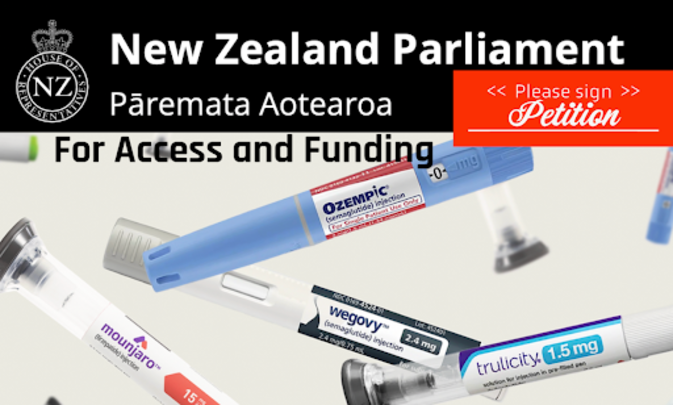 Increase access and funding for Ozempic, Wegovy, Trulicity, and Mounjaro in NZWhy is this important? In New Zealand we do not have the same access to pharmaceutical medications as the rest of the world. If we were to have open access, we would be in control of our own lives, and could make choices that could significantly improve health and wellbeing. We have little power over what potentially harmful compounds are put in our food chain and because of this, obesity is on the rise in Aotearoa, and this is linked to Type 2 diabetes as a result. There are around 100,000 people in New Zealand living with undiagnosed diabetes. The people with a diagnosis of prediabetes if left unchecked risk developing Type 2. Type 2 carries a high risk of comorbidity symptoms, such as hypertension (high blood pressure), obesity, and hyperlipidemia (high cholesterol), and other comorbidities include renal (kidney) disease, retinopathy (vision impairment), and cardiovascular conditions (heart attack and stroke). People with type 2 diabetes may also experience depression and anxiety. Ozempic, Wegovy, Trulicity, and Mounjaro can make a real difference in people’s lives. Studies and new research demonstrate the long-term effectiveness of these drugs in controlling blood sugar and weight loss. Over 50 percent of type 2 diabetes cases can be prevented or delayed therefore improving our health and wellbeing. We see the difference it has made in other countries. Please sign the petition so we can help ourselves and our loved ones before they are diagnosed with something irreversible. Further Reading: [1] People who have type 2 diabetes have an increased amount of sugar in their blood, also called blood glucose. Increased blood sugar happens because your body’s insulin doesn’t work as well as it should. Ozempic, Wegovy, Trulicity, and Mounjaro help to keep your blood sugar levels from getting too high. In your body, these medicines act like a hormone called GLP-1. It stimulates your body to make more insulin after you eat, prevents your liver from releasing stored sugar, and slows the movement of food through your body. GLP-1 is a hormone produced by the body's intestinal cells that helps regulate blood sugar and food intake. It's produced when the proglucagon gene is processed in the intestinal endocrine L-cells. GLP-1 is produced in the intestines, pancreas, and neurons. When you eat, GLP-1 triggers the pancreas to release insulin, which helps move sugar from your bloodstream into your cells. GLP-1 also slows down digestion and reduces appetite. GLP-1 receptor agonists that treat Type 2 diabetes are Semaglutide, Tirzepatide, and Dulaglutide which are all medications used to treat Type 2 Diabetes and obesity. They are glucagon-like peptide-1 receptor agonists (GLP-1 RAs) that help lower blood sugar and body weight. So both semaglutide and tirzepatide work by acting like hormones your body normally makes after you eat. They can make your stomach empty more slowly so that you won’t want to eat again as soon. They also send signals to the brain that tell you you’re full. The main difference is that tirzepatide mimics two hormones while semaglutide mimics one. https://www.webmd.com/obesity/mounjaro-ozempic-wegovy-zepbound-difference. And https://www.medsafe.govt.nz/Consumers/cmi/t/trulicity.pdf [2] A Press New Zealand article quotes “Peter Shepherd, a molecular medicine professor at Auckland University and expert in diabetes and obesity, saying the long-term impact of Ozempic “could be huge” for New Zealanders” Also Associate Professor Hesham Al-Sallami, at the University of Otago, an expert on diabetes and obesity medication, believes if Ozempic or similar medicines were funded in New Zealand, it would take considerable pressure off the hospital system. [3] “If Ozempic can help patients lose weight, this could reduce the number of people getting type-2 diabetes in the first place,” . “If this drug is made accessible in New Zealand as a weight-loss medication and is funded by Pharmac for that use as well, this could have considerably positive health outcomes for the country, taking pressure off the hospital system by reducing things like heart attacks and strokes.” https://www.thepress.co.nz/nz-news/350430990/why-miracle-weight-loss-drug-still-not-available-nz References: Why is this important? https://diabetesjournals.org/care/article/40/3/352/36943/Type-2-Diabetes-and-Comorbid-Symptoms-of https://info.health.nz/conditions-treatments/ https://www.hri.org.nz/health/learn/cardiovascular-disease/diabetes https://www.medicalnewstoday.com/articles/ozempic-wegovy-improve-blood-sugar-levels-and-weight-loss-in-type-2-diabetes-study#:~:text=New%20data%20shows%20that%20drugs,long%20way%20in%20recent%20years. What is Type-2 Diabetes: https://www.diabetes.org.uk/guide-to-diabetes/managing-your-diabetes/treating-your-diabetes/insulin/resistance https://www.diabetes.org.uk/guide-to-diabetes/complications. https://www.diabetes.org.uk/about-diabetes/type-2-diabetes189 of 200 SignaturesCreated by Tracey White
 -
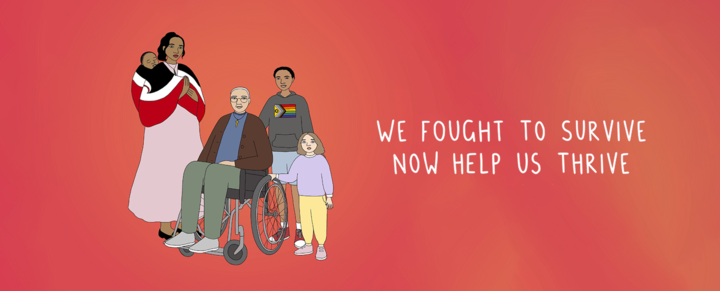 Implement all recommendations from the Abuse in Care Royal Commission of InquiryWe all want Aotearoa New Zealand to be a place where everyone can thrive. Certainly a place where survivors of abuse in State Care and in the Care of Faith-based Institutions can thrive. We know that what has happened to the estimated 250,000 vulnerable adults, children, and babies is a “national disgrace” according to Judge Coral Shaw, former Chair of the Abuse in Care Royal Commision of Inquiry. The Abuse in Care Royal Commission of Inquiry’s Final Report, Whanaketia: Through pain and trauma, from darkness to light, has 138 recommendations to improve the State Care system, Faith-based Institutions and other departments that have worked with some of New Zealand’s most vulnerable people [1]. The Interim Report, He Purapura Ora, he Māra Tipu from Redress to Puretumu Torowhānui, has 95 Holistic Recommendations to improve the current redress systems (Ministry of Social Development, Ministry of Health, Oranga Tamariki - Ministry for Children and Ministry of Education) for survivors of abuse in care [2]. Summary of the recommendations are: • expansion of oranga, or wellbeing, services and support services for survivors and their whānau • increased financial payments for survivors • training for those working with survivors • establishment of a listening service • development of processes for referring allegations of abuse to other agencies • better monitoring of, and reporting on, abuse and systemic issues • memorials and other projects to honour survivors and remember abuse • enactment of a right to be free from abuse in care, as well as a duty to protect this right • an exception to accident compensation legislation • changes to laws relating to civil litigation • a review of legal aid rates • a model litigant policy for the Crown • improvements to the handling of survivors’ requests for records, including as few redactions of survivors’ records as possible • a review of record-creation and record-keeping practices. The Abuse in Care Inquiry has been in progress for the past six years. This is the largest inquiry into abuse in care that Aotearoa New Zealand has ever had. These reports from the inquiry shed light on the harrowing and horrific experiences that survivors faced while in the care of the state and faith-based institutions, and emphasise the profound impact that abuse has had on survivors’ lives. Now is the time for action: for people across Aotearoa to come together and be part of the process that ensures that survivors in Aotearoa can thrive. By signing this petition, you are standing up for the rights of survivors and sending a clear message to the Crown: They have a duty of care to survivors, and a duty to implement all of the recommendations from the Abuse in Care Royal Commission of Inquiry. Together, let's ensure that survivors are supported. Join us in this crucial fight by signing the petition today and spreading the word to your friends, family, and community. Together, we can make a difference and safeguard the future of care and help survivors of abuse in State and Faith-based Care to thrive. _________ Additional information and references: In February 2018, former Prime Minister, Jacinda Ardern, and former Minister for Internal Affairs, Tracey Martin, announced that there would be a Royal Commission of Inquiry into abuse in care [3]. However, the formal work of the inquiry didn’t commence until January 2019. Since 2019, the Inquiry has conducted a number of Hearings [4]: • September to October 2020 - State Redress Hearing held • November to December 2020 - Faith-based Redress (Phase 1) Hearing held • March 2021 - Faith-based Redress (Phase 2) Hearing held • May 2021 - Children's State Residential Hearing held • June 2021 - Lake Alice Child and Adolescent Unit Hearing held • July 2021 - Tulou - Our Pacific Voices: Tatala e Pulonga (Pacific People's Experiences) Hearing held • February 2022 - Marylands school (St John of God) Hearing held • March 2022 - Tō muri the p`o Roa, tērā a Pokopoko White-te-raa (Māori Experiences) Hearing held • June 2022 - Foster Care Hearing held • July 2022 - Ūhia te Māramatanga Disability, Deaf and Mental Health Institutional Care Hearing Held • August 2022 - State Institutional Response Hearing held • October 2022 - Faith-based Institutions Response Hearing held The final report of the Inquiry was presented to the Governor General, Her Excellency The Right Honourable Dame Cindy Kiro GNZM, QSO on 25 June 2024, and released publicly following the tabling of the Final Report in the House of Representatives on 24 July 2024 [5]. 1 - https://www.abuseincare.org.nz/reports/whanaketia 2 - https://www.abuseincare.org.nz/reports/from-redress-to-puretumu/ 3 - https://www.beehive.govt.nz/release/inquiry-abuse-state-care 4 - https://www.abuseincare.org.nz/about-us/timeline/ 5 - Parliament Video | New Zealand Parliament videos.parliament.nz *Disclaimer: more information will be provided in the Updates section Image credit: Designed by artist Ruby Jones in collaboration with Karah Mackie and survivors of abuse in care4,707 of 5,000 SignaturesCreated by Ihorangi Reweti Peters
-
 It's Time for a Capital Gains Tax!We all want thriving schools and early childcare centres, warm and dry homes, and a strong healthcare system. We get these vital public services through sharing our resources into a collective pool – this pool is our tax system: we all contribute, so that we can all flourish. But right now, our public services are crumbling. The combination of successive governments not allocating enough resources to them, while at the same time allowing the wealthy to avoid contributing their fair share, means our public services can't meet our collective needs. As a result we’re struggling to build new hospitals or get new ferries, or hire enough nurses, doctors, teachers and social workers. IRD research shows that the 311 wealthiest families in Aotearoa effectively pay 9.4% of their overall income in taxes, while the majority of everyday people pay over 20%.(1) This isn’t right. A capital gains tax is an important pillar of a balanced tax system that ensures everyone contributes a fair share of the income they make to the collective pool. By increasing the resources going back into the pool, we will then be able to allocate more to our public services - our schools, hospitals and more. Right now, income from selling assets isn't taxed like our income from salary or wages. This means that a lot of wealthy people who make money from buying and selling assets, like investment properties, don't contribute a fair amount of the profits they make to our collective resource pool. Buying and selling homes is being treated as a get-rich-quick scheme for people who already have access to wealth. For example, a person can sell a home that they don’t even need to live in and instantly make four times what an average person earns during a year, without paying any tax at all. (2) This is very different to the vast majority of countries worldwide, including all of those we most frequently compare ourselves to, who already have a capital gains tax in place.(3) We are lagging behind. Polling last year showed that a majority of people in Aotearoa are in favour of a capital gains tax - while support continues to grow across different sectors calling for this to change, most recently from ANZ CE Antonia Watson, Mainfreight Founder Bruce Plested and PWC tax partner Sandy Lau. (4) (5) It’s time to strengthen our collective pool so we can allocate the resources our public and community services need to help families and communities flourish! References: 1. IRD High Net Worth Individuals Research Project 2023 2. Christopher Luxon expected to make a capital gain of $295,000 from selling one of his seven properties this month 3. PWC - Global CGT Rates 4. Media Release: Poll Shows Clear Support for Tax Reform 5. A roll call of all the people championing a capital gains tax. Spinoff6,879 of 7,000 Signatures
 -
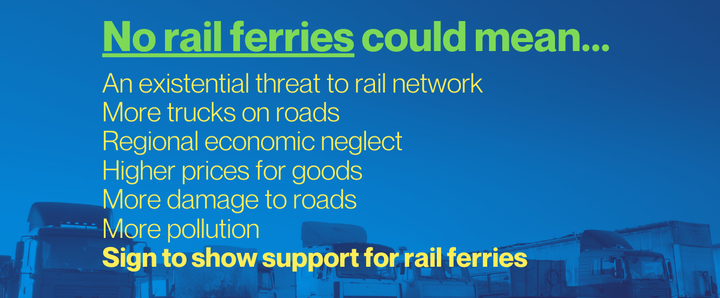.png) Don’t cast us adrift! Ensure Cook Strait ferries can carry trains.The ageing Interislander ferries must be replaced. We believe it’s crucial that new ferries are rail-enabled and publicly owned, letting rail freight and equipment move easily between the North and South Islands. Without rail-enabled ferries, the two islands’ rail networks will be disconnected, restricting the movement of goods and putting the South Island’s whole rail network at risk. Current and future passenger rail services also rely on a viable national rail network. The government said in its transport policy statement that it would prioritise making the best use of existing transport infrastructure. The only decision consistent with this policy is to ensure future ferries are rail-enabled and remain in public ownership.8,900 of 9,000 SignaturesCreated by Patrick Rooney
Don’t cast us adrift! Ensure Cook Strait ferries can carry trains.The ageing Interislander ferries must be replaced. We believe it’s crucial that new ferries are rail-enabled and publicly owned, letting rail freight and equipment move easily between the North and South Islands. Without rail-enabled ferries, the two islands’ rail networks will be disconnected, restricting the movement of goods and putting the South Island’s whole rail network at risk. Current and future passenger rail services also rely on a viable national rail network. The government said in its transport policy statement that it would prioritise making the best use of existing transport infrastructure. The only decision consistent with this policy is to ensure future ferries are rail-enabled and remain in public ownership.8,900 of 9,000 SignaturesCreated by Patrick Rooney.png)
-
.png) Demand the Government support people experiencing homelessness!Everyone should have access to decent, secure and permanently affordable housing. But right now, many people in our communities are experiencing homelessness – living on couches, in cars, in overcrowded houses and in unhealthy and unsafe conditions. For too long people in government have chosen not to allocate resources to public housing, while prioritising policies that encourage property speculators to buy up huge amounts of houses. As a result home ownership and access to decent, secure and affordable housing has become harder and harder for everyday people. This Government's recent decision to make access to emergency housing more difficult, is increasing the harm and risk of homelessness in our communities[1]. These policy changes were able to be implemented because there is currently no legislative responsibility on government agencies to support someone who is at-risk of homelessness. In the midst of a housing crisis, where there is already not enough decent and stable housing available within our communities, this Government has chosen to stall public housing builds across the country[2], cancel funding for youth housing services[3], and reduce access to emergency housing. These policies push the burden of responsibility for homelessness on individuals, rather than addressing the complex and systemic challenges that enable homelessness to occur. Together these policies will deepen the housing crisis Aotearoa is facing. Duty to Assist legislation would begin to address the systemic issues that prevent people from getting support when they need it. It would place the burden of responsibility back onto the system, and ensure that if you or I experience homelessness, or were at risk of homelessness, we would be provided with the support we need in our moment of crisis. In Wales, Duty to Assist legislation has been successful in the prevention of homelessness, through supporting people to remain in their housing and access the support services they need. The legislation also requires local authorities to provide emergency housing as a temporary measure while they fulfil their ‘duty to secure accommodation’ which means they must continue to find permanent and stable homes for people.[4] In Aotearoa, Duty to Assist legislation, alongside a commitment to increasing public housing, would get us on a path out of the housing crisis and towards a future where everyone has a place to call home. Supporting Organizations: AAAP Kick Back VOYCE – Whakarongo Mai ZEAL Just Speak Ara Taiohi System Change Aotearoa FASD-CAN References: [1] Government was warned emergency housing crackdown could increase homelessness. RNZ, 20 August 2024 https://www.rnz.co.nz/news/political/525607/government-was-warned-emergency-housing-crackdown-could-increase-homelessness [2] The impact of tougher emergency housing policies in two regions. 1News, 15 September 2024 https://www.1news.co.nz/2024/09/15/the-impact-of-tougher-emergency-housing-policies-in-two-regions/ [3] Social worker fears young Kiwis being abandoned by Government after transitional youth housing funds reallocated. Newshub, 05 June 2024 https://www.newshub.co.nz/home/politics/2024/06/social-worker-fears-young-kiwis-being-abandoned-by-government-after-transitional-youth-housing-funds-reallocated.html [4] Overview of the council’s duties to people experiencing homelessness in Wales. Shelter CYMRU, 7 March 2024 https://sheltercymru.org.uk/housing-advice/homelessness/help-from-the-council/new-homelessness-laws/7,327 of 8,000 SignaturesCreated by Kick Back
Demand the Government support people experiencing homelessness!Everyone should have access to decent, secure and permanently affordable housing. But right now, many people in our communities are experiencing homelessness – living on couches, in cars, in overcrowded houses and in unhealthy and unsafe conditions. For too long people in government have chosen not to allocate resources to public housing, while prioritising policies that encourage property speculators to buy up huge amounts of houses. As a result home ownership and access to decent, secure and affordable housing has become harder and harder for everyday people. This Government's recent decision to make access to emergency housing more difficult, is increasing the harm and risk of homelessness in our communities[1]. These policy changes were able to be implemented because there is currently no legislative responsibility on government agencies to support someone who is at-risk of homelessness. In the midst of a housing crisis, where there is already not enough decent and stable housing available within our communities, this Government has chosen to stall public housing builds across the country[2], cancel funding for youth housing services[3], and reduce access to emergency housing. These policies push the burden of responsibility for homelessness on individuals, rather than addressing the complex and systemic challenges that enable homelessness to occur. Together these policies will deepen the housing crisis Aotearoa is facing. Duty to Assist legislation would begin to address the systemic issues that prevent people from getting support when they need it. It would place the burden of responsibility back onto the system, and ensure that if you or I experience homelessness, or were at risk of homelessness, we would be provided with the support we need in our moment of crisis. In Wales, Duty to Assist legislation has been successful in the prevention of homelessness, through supporting people to remain in their housing and access the support services they need. The legislation also requires local authorities to provide emergency housing as a temporary measure while they fulfil their ‘duty to secure accommodation’ which means they must continue to find permanent and stable homes for people.[4] In Aotearoa, Duty to Assist legislation, alongside a commitment to increasing public housing, would get us on a path out of the housing crisis and towards a future where everyone has a place to call home. Supporting Organizations: AAAP Kick Back VOYCE – Whakarongo Mai ZEAL Just Speak Ara Taiohi System Change Aotearoa FASD-CAN References: [1] Government was warned emergency housing crackdown could increase homelessness. RNZ, 20 August 2024 https://www.rnz.co.nz/news/political/525607/government-was-warned-emergency-housing-crackdown-could-increase-homelessness [2] The impact of tougher emergency housing policies in two regions. 1News, 15 September 2024 https://www.1news.co.nz/2024/09/15/the-impact-of-tougher-emergency-housing-policies-in-two-regions/ [3] Social worker fears young Kiwis being abandoned by Government after transitional youth housing funds reallocated. Newshub, 05 June 2024 https://www.newshub.co.nz/home/politics/2024/06/social-worker-fears-young-kiwis-being-abandoned-by-government-after-transitional-youth-housing-funds-reallocated.html [4] Overview of the council’s duties to people experiencing homelessness in Wales. Shelter CYMRU, 7 March 2024 https://sheltercymru.org.uk/housing-advice/homelessness/help-from-the-council/new-homelessness-laws/7,327 of 8,000 SignaturesCreated by Kick Back -
Transparent Talks for Effective Gun LawsThis issue is undeniably important to New Zealand, especially in the aftermath of the Christchurch mosque shootings. It is a matter which implicates the lives of many people including school children, vulnerable communities such as the Muslim community and the LGBTQ+ community, as well as those struggling with their mental health. By making it harder to access semi-automatic weapons, we are able to increase the safety of everyone. It is clear from observing other countries, especially the United States, that unrestricted access to semi-automatic weapons leads to violence and division. While it may not seem likely that slight changes to gun laws in Aotearoa could have a large effect, one must remember two key points: firstly, that the Christchurch shooter obtained his weapon completely legally; and secondly, that the state of mental health support in Aotearoa is abysmal. Without treating this second point, something which the current government seems to have no real intention of doing, allowing even slightly looser access to semi-automatics is a massive safety risk. It provides a space for a dangerous weapon to leave the hands of an ordinary person and fall into the hands of somebody with ill intentions. Even if there are only non-regular incidents of gun violence following these law changes, the fate of the dead and injured will be in the government’s hands. While the proposed changes are on the surface somewhat innocent - aiming to rectify the difficulty of some recreational gun users in carrying out their hobby - it carries a confusing sense of urgency and secrecy for a process which by all accounts should be taken as slowly, carefully, and yes, even bureaucratically as possible. Consultation should expand to include the opinions of the entirety of Aotearoa, not just select groups of individuals. I think it is naive to expect that these changes will only affect a small number of people. It would be unsurprising if this was only the beginning of a series of changes to gun laws in Aotearoa; Nicole Mckee, the Minister in charge of the reform, is a former gun lobbyist who may be interested in emulating the gun culture in the United States. About me I am a year 13 student from Kapiti College who is concerned about gun safety in Aotearoa. I believe in maintaining a peaceful and safe society for everyone, regardless of their background or beliefs. As a young person in Aotearoa, I want to feel confident that the government is making decisions that prioritise the safety and well-being of all communities, rather than catering to a few special interest groups. Any changes to our gun laws must be done with full transparency and public consultation. I believe that by opening up the conversation, we can come to a solution that balances the needs of recreational gun users with the safety concerns of the wider population. I urge Minister Nicole Mckee and the coalition government to release the consultation document and ensure that any changes to our gun laws are made with the input of the public, the police, and those most affected by gun violence. Together, we can build a safer Aotearoa.180 of 200 SignaturesCreated by Amaya Colombick
-
 Luxon: Hands Off Kiwibank!We all want to live in a society that has well resourced services, where our collective pool is big enough to cover the things that make our communities thrive - like good education and health systems, public transport and infrastructure. But right now that pool is being drained. Not only by the cuts and funding freezes implemented by the current government, but also by international corporations profiting off everyday people accessing basic services. Banking is no different. Currently, the four biggest banks in Aotearoa are all Australian-owned, and all operate to make huge profits off the basic financial services we all rely on just to take part in society, and those profits are growing. In the decade to 2022, the Big Four banks’ profits increased by 80%, generating $50 billion in cumulative net profit after tax over this period, with 77% of that going to offshore shareholders.[1] That’s billions of dollars coming out of Aotearoa that could be going into our communities, our health and education systems, our infrastructure. The privatisation of BNZ contributed to this drain of resources, along with the broader reforms of the banking sector in the 1980s and 90s which saw consolidation and acquisition by Australian banks. That’s why Kiwibank was set up. A project driven by the late Jim Anderton in the 2000s, its aim was to claw back some of what was lost, and it was successful in driving down bank fees for customers across the market.[2] The National Party, Act Party and big banks opposed it from the start,[3] as it posed a direct threat to corporate profiteering. Last year we were able to push back against the sell off and the plan was abandoned. But now we have just found out State Owned Enterprises Minister Simeon Brown has sent a letter to Kiwibank directing it to “work on alternative growth scenarios for Kiwibank along with the capital required for these”. At the same time it has also been revealed in a Cabinet paper from Brown and Finance Minister Nicola Willis, that the Government has made it clear it is not willing to provide the capital needed to fund said growth.[4] Willis has previously said it’s needed so Kiwibank can compete with the “highly profitable” offshore owned banks. But this is a contradiction - privatising Kiwibank will only see it become just like the others, sending mega profits offshore, and defeating its own purpose. There is another way! “We are once again calling on the Government to abandon any plans to privatise Kiwibank and commit to keeping it in public ownership. ” This is despite who’s buying - selling Kiwibank to the Superannuation Fund or ACC likewise does not protect public ownership, as they could sell it themselves in the future (like the Superannuation Fund wanted to in 2022).[5] We need our representatives to do just that - to represent the people of Aotearoa, and our long term economic interests, not those of corporations. To stop the sale, and turn Kiwibank toward benefitting us all, through providing lower rates and fees, and better services to the public. Shifting Kiwibank's focus from profitability to providing lower margins will make it more competitive and help bring down mega profits across the sector. Fight privatisation! Hands off our Kiwibank! [1] https://actionstation.org.nz/publications/bankflation-in-aotearoa [2] https://www.nzherald.co.nz/business/20-years-on-whats-the-future-of-kiwibank/5HMNAWZFNNA75NS2LQ5CORJZVQ/ [3] https://www.nzherald.co.nz/business/the-peoples-bank-to-some-a-waste-of-money-to-others/D7WE647763YU4CEFH4DOAVJXLM/ [4] https://newsroom.co.nz/2026/05/12/kiwibank-sale-back-on-the-menu-as-govt-seeks-new-growth-plans/ [5] https://www.interest.co.nz/public-policy/117273/crown-buy-out-nz-super-nz-post-and-acc-transaction-values-kiwibanks-parent6,764 of 7,000 SignaturesCreated by Team ActionStation
 -
 Protect and support people with Functional Neurological Disorder!Functional Neurological Disorder is becoming a fast growing condition in New Zealand. While no one person is born with it, many have come to be diagnosed with FND with growing global awareness of this condition, its poor reaction to mrna vaccines, the lack of helpful and preventative treatment and breach of the code of patient rights. FND is a disabling and devastating condition. Symptoms range from a faint, to seizures, paralysis, pain, immobility to say a few, and that comes with a lot of psychological damage to one's self esteem. There are many cases of delayed or mistreatment from lack of understanding, including being locked away from family homes, being accused of being crazy, being told we deserve it, not being treated, gaslit, and difficult to get help, or having to wait years for proper assessment. For 37 years I believed I was epileptic and had fibromyalgia. FND was not widely considered at all then. This meant decades of mismanagement, mis-medication, career paths denied, and absolutely no treatment for the real condition. Because of those consequences, I have been - avoided in the street - as I was weaving from medication, yelled at by doctors because they did not know what was going on, accused of not taking my medicines, which I have always taken religiously. I have been subject to abusive situations because of the effects of the medications I did not need. Personally, I have been waiting for nearly 3 years to have the acknowledgement that I even require treatment, and the only reason it has happened THAT QUICKLY is because of the consistent follow up and bringing things to ACC attention. It is exhausting, stress inducing, and causes further harm to FND clients. While I have been compliant and have undertaken every possible process, I am still here, waiting for treatment, 3 years after diagnosis, 43 years after it started. As such, I call on the Ministry of Health, the Ministry of Disabled People, Ministry of Social Development and ACC to take these three actions. 1. They must adhere to the Code of Health and Disability Services Consumers' Rights in every manner regarding FND patient's, diagnosis, treatment and handling by all related staff, including management of patient records and expunged files or diagnosis, and supervision of medical applications used by practices for mismanagement and breach of patient privacy by mis-sharing patient information. 2. They must collaboratively discuss and compile treatment plans and support services for patients in a timely manner so as to prevent further chronic harm. 3. Inclusion of FND in its language and education policies, inclusive of medical staff, acc staff, social workers, and educators of medicine, to better facilitate healthy discussion and further beneficial research around this condition. There is no cure for FND, and while things continue to get worse at an alarming rate, the care in New Zealand is not keeping up. If the Ministry of Health, Ministry for Disabilities and ACC collaboratively create an early treatment plan it could help prevent FND from becoming chronically worse and in some cases, may even reduce symptoms for a short period of time. I want to see the Government put its people first. We deserve a good quality of life, with dignity and mana and with whanau around to support us. Not be treated like a burden and excluded from jobs, community and even medical care. I want to see our future moko be treated with respect and dignity when going into the medical system. These three steps can lead us towards a positive sustainable change within the health care system that will benefit all people living with FND. Join us by making the health care system more just for everyone! Sign this petition and share it with friends and family. Further reading: https://www.ninds.nih.gov/health-information/disorders/functional-neurologic-disorder. www.fndaware.nz bFM Interview https://95bfm.com/bcast/get-action-protect-and-support-people-with-functional-neurological-disorder-w-keremia-tairua-9th208 of 300 SignaturesCreated by FND AWARE