Support state housing now
5,856
of 6,000
signatures
signatures
across
9 local campaigns
Find your local campaign
Your Location
Campaigns (9)
-
Ōtaki
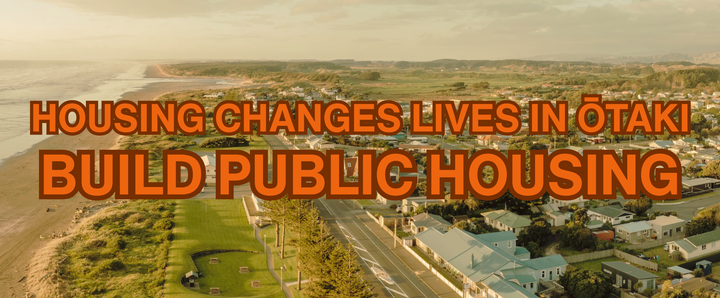.png) Housing Changes Lives in Ōtaki - Build Public HousingEvery whānau in Kāpiti should have a decent and stable home – one that is warm, dry, accessible, affordable, and secure. A home that allows people in our communities to stay healthy, keep children in school, contribute to our community, and plan for the future. Decent homes should not be a luxury or a market reward. They are essential infrastructure for care, connection, and contribution. Housing changes lives. But right now, Kāpiti is facing a severe and growing housing crisis, with Ōtaki experiencing the highest housing stress in the district. Private rentals are unaffordable and unavailable in our community. Only 20% of Ōtaki renter households are able to afford the median market rent[1] and there are so few available at a price people can afford. Public and community housing supply is far too low, making up only a small percentage of our housing stock[2]. People experiencing homelessness are increasingly invisible, living in cars, garages, overcrowded homes, boarding houses, or temporary accommodation. There are around 129 Kāpiti households on the housing register but there are many more whānau experiencing housing stress. Reductions in emergency housing numbers have not translated into permanent, secure homes. Instead we are seeing preventable harm from a lack of secure and genuinely affordable housing: poorer health, disrupted education, economic stress, and fractured communities. Despite the housing crisis deepening in our community, the National-led Government has cancelled new Kāinga Ora homes in Ōtaki and continues to under-resource hapū, iwi and Māori-led housing solutions. It doesn’t have to be like this. The Government can make the choice to increase funding for more public housing, support hapū and iwi housing, and reshape our housing system to be for living and not for profit. We call on all political parties to commit to: • Build enough public housing in Kāpiti — starting with Ōtaki: this includes resuming and completing cancelled or stalled Kāinga Ora developments. Then, committing to building at a scale that meets existing and projected needs, not just incremental growth. Kāpiti needs 129 homes to house the whānau on the housing register immediately. • Support community and iwi-led housing solutions: Partner with Ngā Hapū o Ōtaki to support papakāinga and Kaupapa Māori housing. Recognise community housing as an important part of the public housing system, not a silver bullet or stop-gap. • Treat decent homes as essential infrastructure: recognise housing as foundational to health, education, and employment outcomes. Make sure homes are warm, dry, accessible and meet people’s needs across their lifetimes. • Commit to long-term, cross-party solutions: support durable, bipartisan approaches to public housing so progress is not undone by political cycles, providing certainty to councils, iwi, and CHPs (Community Housing Providers) so they can plan and build with confidence. When people have decent homes, communities thrive. It means people are healthier, children learn better, whānau are more connected and economically secure, and our collective pool of resources shift from crisis response to crisis prevention. We already have the knowledge, skills, and partnerships to fix this. What is missing is political commitment at the scale required. About us Our Ōtaki Public Housing Group has come together from a shared concern for the lack of public housing for people in our area. We believe this is a key election issue and want to raise public awareness and political commitment for more public housing. Our vision is "All whānau have decent housing because housing is a right and housing changes lives". We bring locally specific information and attention to Action Station's Public Housing Futures national campaign. Contact us via [email protected] References: 1. Not just a house, a life - Understanding housing need specific to Ōtaki, The Urban Advisory, September 2022 2. Our housing stock is approximately 220 Kāinga Ora homes (88 in Ōtaki), 50 from community housing providers, alongside 118 council units for older people (66 in Ōtaki) (see MHud Housing Dashboard).279 of 300 SignaturesCreated by Ōtaki Public Housing Group
Housing Changes Lives in Ōtaki - Build Public HousingEvery whānau in Kāpiti should have a decent and stable home – one that is warm, dry, accessible, affordable, and secure. A home that allows people in our communities to stay healthy, keep children in school, contribute to our community, and plan for the future. Decent homes should not be a luxury or a market reward. They are essential infrastructure for care, connection, and contribution. Housing changes lives. But right now, Kāpiti is facing a severe and growing housing crisis, with Ōtaki experiencing the highest housing stress in the district. Private rentals are unaffordable and unavailable in our community. Only 20% of Ōtaki renter households are able to afford the median market rent[1] and there are so few available at a price people can afford. Public and community housing supply is far too low, making up only a small percentage of our housing stock[2]. People experiencing homelessness are increasingly invisible, living in cars, garages, overcrowded homes, boarding houses, or temporary accommodation. There are around 129 Kāpiti households on the housing register but there are many more whānau experiencing housing stress. Reductions in emergency housing numbers have not translated into permanent, secure homes. Instead we are seeing preventable harm from a lack of secure and genuinely affordable housing: poorer health, disrupted education, economic stress, and fractured communities. Despite the housing crisis deepening in our community, the National-led Government has cancelled new Kāinga Ora homes in Ōtaki and continues to under-resource hapū, iwi and Māori-led housing solutions. It doesn’t have to be like this. The Government can make the choice to increase funding for more public housing, support hapū and iwi housing, and reshape our housing system to be for living and not for profit. We call on all political parties to commit to: • Build enough public housing in Kāpiti — starting with Ōtaki: this includes resuming and completing cancelled or stalled Kāinga Ora developments. Then, committing to building at a scale that meets existing and projected needs, not just incremental growth. Kāpiti needs 129 homes to house the whānau on the housing register immediately. • Support community and iwi-led housing solutions: Partner with Ngā Hapū o Ōtaki to support papakāinga and Kaupapa Māori housing. Recognise community housing as an important part of the public housing system, not a silver bullet or stop-gap. • Treat decent homes as essential infrastructure: recognise housing as foundational to health, education, and employment outcomes. Make sure homes are warm, dry, accessible and meet people’s needs across their lifetimes. • Commit to long-term, cross-party solutions: support durable, bipartisan approaches to public housing so progress is not undone by political cycles, providing certainty to councils, iwi, and CHPs (Community Housing Providers) so they can plan and build with confidence. When people have decent homes, communities thrive. It means people are healthier, children learn better, whānau are more connected and economically secure, and our collective pool of resources shift from crisis response to crisis prevention. We already have the knowledge, skills, and partnerships to fix this. What is missing is political commitment at the scale required. About us Our Ōtaki Public Housing Group has come together from a shared concern for the lack of public housing for people in our area. We believe this is a key election issue and want to raise public awareness and political commitment for more public housing. Our vision is "All whānau have decent housing because housing is a right and housing changes lives". We bring locally specific information and attention to Action Station's Public Housing Futures national campaign. Contact us via [email protected] References: 1. Not just a house, a life - Understanding housing need specific to Ōtaki, The Urban Advisory, September 2022 2. Our housing stock is approximately 220 Kāinga Ora homes (88 in Ōtaki), 50 from community housing providers, alongside 118 council units for older people (66 in Ōtaki) (see MHud Housing Dashboard).279 of 300 SignaturesCreated by Ōtaki Public Housing Group -
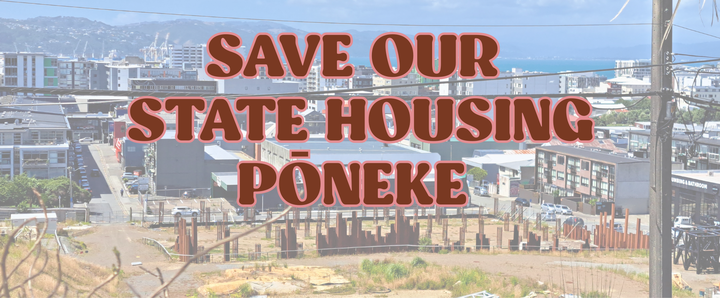 Save State Housing in Pōneke Wellington CityWellington City should be a place where everyone has a stable, healthy and suitable home whatever their income. A place where children can grow up together and where people can put down roots near the people and places they need to thrive. Housing affects every part of our lives. The stress of short tenancies, week-to-week emergency housing grants, and the looming threat of rental increases has a major impact on people’s wellbeing and working lives. Constant moving to find housing robs whānau of the opportunity to connect with their communities. State housing has and can provide stable, affordable homes for people on lower incomes - from the first ever state house built in Miramar, to the new state housing built in Pukeahu Mt Cook. We know from our own history and from overseas, that when governments play a bigger role in building and providing decent and suitable housing, we lay the foundation for thriving communities. Yet, despite the benefits, successive governments have not built enough homes to meet the growing need in our communities. In Pōneke Wellington: • There are 621 households on the housing register for Wellington City, 585 are considered Priority A (September 2025).[1] • There are 2,766 people in severe housing deprivation in Wellington City which forces people into unsafe and unstable living arrangements.[2] • State housing provider Kāinga Ora is selling sites making this land unavailable for future public housing[3] • And, the Government has cancelled projects and paused other projects, including the 300+ units at Arlington St, Mt Cook[4] There are 400 state homes which have been cancelled in Wellington City[5], including: • Evans Bay Pde, Kilbirnie, Wellington with 30 homes that were going to be Universal Design cancelled • Ngatiapa St, Tukanae St & Rahui St, Strathmore Park, Wellington with 49 homes cancelled • Nuku St, Strathmore Park, Wellington with 28 homes cancelled • Wayside, Miramar, Wellington with 1 home cancelled • Arlington St, Mt Cook with 300 homes, foundations in the ground is pending a decision Only 3 projects continue: • Miller Place, Lyall Bay with 28 homes is proceeding and due for completion in 2027 • Kekerenga St with 3 homes is due for completion in 2026 • Coromandel St, Newtown with 11 homes is due for completion 2026 While these essential public housing developments have been cancelled, the need for decent and secure housing has increased. Downtown Community Ministry recorded a 24% increase in rough sleeping for the first 3 months of 2025 compared to the same time in 2024.[6] Wellington is fortunate that the City Council is involved in housing through Te Toi Mahana, a Community Housing Provider (with 1764 homes) and through Te Kainga housing (370 homes), and with NGO community providers like Dwell (100 tenancies) and Wellington City Mission (70+ transitional units, and rest home and residential care). Despite this, it is still not enough to meet demand and these providers have limited access to funding to build more. The Government has the obligation and the ability to fund housing to meet the needs of all. We need the Government to build more public housing, but to also make the housing they build accessible and suitable for our communities. This means supporting different types of public housing, including using the Housing First approach, which is a proven best practice for supporting whānau who have experienced long-term homelessness and have other challenges, such as mental health and addication. It means housing first, and then wrap-around services for whānau after.[7] Te Ō in Mt Cook is an example of how this is working for Wellington City public housing, through a Single Site Supported Housing model. If we leave house building to the market, we’ll keep building homes that are not accessible or suitable for our communities - with steps, narrow doorways, and bathrooms that don’t work for many. Through publically-funded housing we can support designs that work for your niece with cerebral palsy, your friend recovering from a stroke, your pregnant sister, your colleague with a broken leg, or your granddad who now uses a walking frame. Currently, only 4% of our public housing has universal design that are suitable for a wide variety of people, while the housing register has around 19% of people in households who need accessible housing. Kāinga Ora were making commitments to building more accessible homes including the 30 universally designed homes on Evans Bay Pde that have now been cancelled. We ask the House of Representatives and Minister of Housing retain existing housing sites, keep building the promised state houses and to increase public builds at a scale that will ensure stable, permanently affordable and accessible housing for everyone who needs it. References: 1. Housing Register, MSD September 2025 2. Aotearoa Data Explorer, Severe Housing Deprivation Census 2023 Stats NZ 3. Property Sales, Kāinga Ora, 2026 4. Kāinga Ora slashes social housing in Wellington. The Post, 19 June 2025 5. Data from a spreadsheet available in this Information sheet: Project assessments and write downs, Kāinga Ora, June 2025 6. Homelessness Insights Report. Ministry of Housing and Urban Development. June 2025 7. Read more about how Housing First works with public housing in Finland here and in Aotearoa here. Pōneke Public Housing Futures is a group of everyday people in Wellington who believe secure, suitable housing is a fundamental right that must be available to everyone with a need. We are concerned that not enough public housing is being built to meet the needs of all in Wellington. Stable affordable housing is the first step needed for everyone to thrive. Currently in New Zealand only 4% of all housing is state or community housing, this is significantly lower than many other countries. We want to see a large increase so that everyone who wants a public or state house can be housed without spending months on a waiting list.2,524 of 3,000 SignaturesCreated by Pōneke Public Housing Futures
 -
Lower Hutt
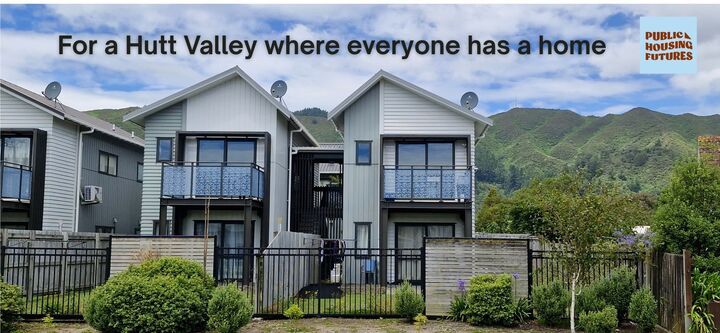 For a Hutt Valley where everyone has a homeA stable, decent home is important for a good life. It supports our safety, our health, and ability to participate in society. It helps us build community connections through our neighbours, local schools, sports, and cultural clubs. It allows us to put down roots and have a sense of belonging. But successive governments have not done enough to make sure everyone has decent and suitable housing. They have prioritised legislation and policy that helps property investors make profits, while reducing Government’s income. They have underfunded the construction of state housing, meaning there is not enough to meet the need. This has forced many people, including people in the Hutt Valley, into severe housing need, living in unsafe, unhealthy, and insecure living situations. We have people in our community experiencing hardship because of the price of rental properties, people living in substandard and overcrowded houses or in garages, cars, or parks. The emotional and financial stress due to housing insecurity are added pressures for families and individuals who are among the most vulnerable in our community. To get onto the public housing register (waitlist), you must be in severe housing need. We have hundreds of whānau/households on the public housing waitlist for the Hutt Valley [1]. But it is clear that there is not enough housing available for them. People are often experiencing long times on the waitlist [2]. There are too few Kāinga Ora homes in the pipeline for the Hutt Valley [3], while existing Kāinga Ora homes are being put up for sale [4] and some planned constructions have been cancelled [5]. And under the Government’s Housing Investment Plan [6], no money has been earmarked for further new Kāinga Ora homes in the area. The Government has indicated that it is looking to the private market to solve the problem of unaffordable housing and housing insecurity [7]. This is unlikely to help the people on the public housing waitlist who need housing now, or to solve the ongoing issue of severe housing deprivation in our community [8]. Together we can change this. If we make state housing a priority, we can ensure that no one in our community has to experience housing deprivation and that everyone has stable, decent, appropriate housing where they can build a good life for themselves and their families. Let’s tell our local politicians that Hutt Valley people see this as an important issue for the 2026 General Election. Let’s tell our politicians that we want a commitment from them to give Kāinga Ora the resources and the direction that will enable it to get people off the waitlist and into state housing, and meet community need for housing in an ongoing way. You can send this message to our local politicians by signing the petition. Find out more about the nationwide Public Housing Futures Campaign at: www.publichousingfutures.com Contact the Hutt Valley Public Housing Futures group at: [email protected] References: [1] 489 households as at November 2025 - 371 for Lower Hutt, 118 for Upper Hutt. Source: Ministry of Housing and Urban Development [2] The average national wait time for people on the public housing register, from their application being accepted to that tenancy being activated was 165 days (5 months) as at October 2025. Source: Housing and Urban Development [3] 218 homes in the pipeline as at April 2025 - houses are either in construction or proceeding to a detailed business case. Source: Kainga Ora [4] 56 homes have been put up for sale as at September 2025 - 55 in Lower Hutt, 1 in Upper Hutt. Source: Kainga Ora [5] 58 houses cancelled as at June 2025. Source: Kāinga Ora 'Kāinga Ora takes next step in financial reset', 19 June 2025 [6] Housing Investment Plan 2025. [7] Kainga Ora Strategy 2025 – 2035, Housing minister Chris Bishop reveals new Kāinga Ora strategy | 4 February 2025 | RNZ, Housing reform in NSW and New Zealand, Chris Minns, Chris Bishop, & Peter Tulip [8] RNZ, ‘Government wants to 'flood the market' to make houses more affordable - how will that work?’, 5 July 2024. The Conversation, The billions spent on NZ’s accommodation supplement is failing to make rent affordable – so what will?, 24 April 2025. University of Auckland, The flaws in NZ's accommodation supplement, 9 May 2024.1,565 of 2,000 SignaturesCreated by Public Housing Futures Hutt Valley
 -
Christchurch
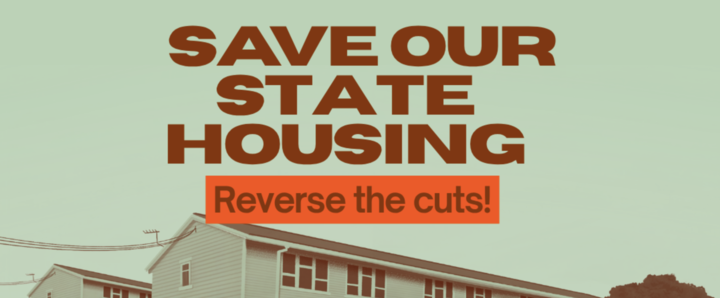 Save our State Housing in Ōtautahi/ Reverse the cutsEveryone in Aotearoa deserves to be housed; this is a basic human right. People should have agency over their housing, and it should be designed to be fully accessible. This would strengthen communities in Ōtautahi, as people will be able to put down roots and build connection. It will support our whānau to thrive, and provide the stability needed for a thriving city where everyone can live a decent life. Successive governments have failed to ensure everyone in our community has suitable housing or any housing at all. Now, the National-led Government has cancelled Kāinga Ora developments, plan to sell off state housing and make it less available to our communities. This will lead to more people living in unaffordable and unsuitable private rentals, in their cars and on the streets. It also means that state-owned land will be privatised that should otherwise be returned to hapū and iwi for Māori housing solutions. In Ōtautahi we have: - 1500+ households on the Housing Register - 6753+ people experiencing Severe Housing Deprivation (homelessness) *Census 2023 (grown since data was collected) And still, this National-led government has decided to cancel 25 developments, 373 homes that were in the pipeline, that would've housed whānau in need in Ōtautahi. They are also selling state homes to the private market The Government says it is supporting Community Housing Providers (CHPs) to play a bigger role in social housing provision, yet it expects to fund only 70 new CHP homes in Ōtautahi by 2027, and only four have been delivered so far. We know from our own history and from overseas research, that when governments play a bigger role in providing decent and suitable housing, we as a country lay the foundation for thriving communities. We have built state housing at scale as a solution before, and we can do it again. The people of Ōtautahi who are living without shelter or safe and affordable homes need our community to stand in solidarity to save our state housing. We need all 373 Kaianga Ora houses to be built. We are calling on Minister for Housing, Chris Bishop; Minister for Māori Development, Tama Potaka; MP for Ilam, Hamish Campbell; MP for Christchurch Central, Duncan Webb; MP for Christchurch East, Reuben Davidson; MP for Banks Peninsula, Vanessa Weenink; MP for Wigram, Megan Woods to advocate for the people of our communities to ensure that everyone has a decent, stable and accessible home, and to stop the sell off.280 of 300 SignaturesCreated by Save Our State Housing Ōtautahi
 -
 Keep building state housing in the Eastern Bay of Plenty!The Eastern Bay of Plenty should be a stable place to call home. Stability would support us to build connections with our neighbours, our local schools, churches, and sports clubs. It would keep our families and workers in the region, and bring in more people. It would create the conditions for us to be able to thrive in our communities. But successive governments have not done enough to make sure everyone in our community has decent, and stable housing. This has led to our people living in unaffordable or unsuitable private rentals, in their cars and on the streets. It has impacted the health and education outcomes of our people. It has forced our families away, and stopped people from moving here. Now, the National-led Government has cancelled Kāinga Ora state housing builds in our region, and plans to sell off the houses that we already have, making housing even less available to our communities. In Whakatāne: • 234 households are on the housing waitlist as of September 2025 [1] • A further 939 people are known to be experiencing severe housing deprivation. This means sleeping in cars, garages, or in overcrowded or unfit conditions. [2] • 72 Kāinga Ora state house builds, consented and ready to build, have been cancelled. [3] • As of the 31st of October 2025, 9 state housing properties are currently for sale in Whakatāne. [4] In Ōpōtiki: • 87 households are on the waitlist as of September 2025 [1] • 453 people are known to be experiencing severe housing deprivation [2] • 8 Kāinga Ora state house builds have been cancelled. [3] In Kawerau: • 54 households are on the waitlist as of September 2025 [1] • 396 people are known to be experiencing severe housing deprivation.[2] In Murupara: • State housing property is being sold. [4] There are many more people experiencing housing insecurity who have not been captured in the numbers above. People are doing the best they can to house themselves and their loved ones, but without secure housing they are vulnerable. We are calling on decision makers to ensure that everyone in the Eastern Bay has a decent and stable home. Commit to building enough state housing to end the waitlist, and to build the homes they have cancelled. We want to see the local economy pumping: young people becoming independent, family moving back to the region, workers coming to stay, and our community thriving! Build the houses. End the waitlist. References: 1. Housing Register - Ministry of Social Dveelopment https://www.msd.govt.nz/about-msd-and-our-work/publications-resources/statistics/housing/housing-register.html#DownloadthelatestnumbersfortheHousingRegister2 2. Severe Housing Deprivation - Stats NZ https://explore.data.stats.govt.nz/. (Use the data explorer to search for severe housing deprivation by territorial authority.) 3. Kāinga Ora takes next step in financial reset: https://kaingaora.govt.nz/en_NZ/news/kainga-ora-takes-next-step-in-financial-reset/ (click on the Project Information Sheet and there is a link to a spreadsheet with all the Kāinga Ora projects which were assessed and are continuing or are cancelled) 4. Property sales - Kāinga Ora (this web page is regularly updated with the houses and land packages being sold): https://kaingaora.govt.nz/en_NZ/social-housing-and-build-programme/selling-kainga-ora-properties/property-sales/160 of 200 SignaturesCreated by Phoebe Carr
 -
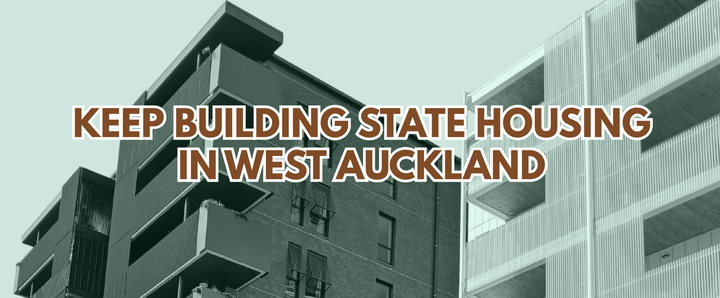.png) Support state housing in West AucklandWest Auckland should be a place where everyone has a decent, healthy, stable and suitable home, in a community where children can grow up in their local schools and where people can put down roots near the services they need to thrive. But right now, people in our community are experiencing high rents, homelessness, overcrowding and substandard housing. This is having an impact on people's long-term wellbeing and the wellbeing of our communities. Successive governments have not done enough to make sure everyone in our community has suitable housing. Now, the current Coalition Government has cancelled hundreds of Kāinga Ora homes, is selling off state housing and making it less available to people in our community. In the West Auckland area we have: • 1,224 households on the Housing Register in (September 2025) • 7,524 people experiencing Severe Housing Deprivation (homelessness) at the time of Census 2023. This is likely to have grown since the Emergency Housing rules have put up barriers to access temporary shelter. • And still, the Government has decided to cancel 12 Kāinga Ora developments that would have provided 425 decent and stable homes to people in our communities. • Some of these cancelled developments are on land that once had state housing and families living there, forced out on the promise of more homes and a right to return back to their communities. Some of these cancelled developments are on land Kāinga Ora purchased to make way for much needed homes close to train stations, parks and local amenities. State housing is a key solution to the housing crisis facing people living in West Auckland. It is the key way governments ensure people and whānau, no matter their income, age or stage in life, have a place to call home. By cancelling state housing, more people and families will be forced into unaffordable private rentals, unsuitable boarding houses and onto the streets. It also means that land will be privatised that could otherwise be returned to hapū and iwi for Māori housing solutions. We are calling on our local MPs to advocate for state housing in our community - to stop state housing land being sold off to investors and developers, and to ensure everyone in West Auckland has decent and stable housing. Cancelled Kāinga Ora developments: • Beauchamp Dr & Reverie Pl, Massey - 65 homes • Totara Ave, New Lynn - 84 homes • Elm St & Racecourse Parade, Avondale - 139 homes • Vallance Pl, Massey - 13 homes • Cedar Heights Ave, Massey - 8 homes • Tabitha Cres, Henderson - 4 homes • Sachel Pl, Rānui - 3 homes (sold) • MacKenzie St, Te Atatū South - 3 homes • Te Atatū Rd - 3 homes • Valonia St, New Windsor - 3 homes • Ulster St, Blockhouse Bay - 32 homes • Marlowe Rd & Bolton St - 68 homes291 of 300 SignaturesCreated by State Housing Action West Auckland
Support state housing in West AucklandWest Auckland should be a place where everyone has a decent, healthy, stable and suitable home, in a community where children can grow up in their local schools and where people can put down roots near the services they need to thrive. But right now, people in our community are experiencing high rents, homelessness, overcrowding and substandard housing. This is having an impact on people's long-term wellbeing and the wellbeing of our communities. Successive governments have not done enough to make sure everyone in our community has suitable housing. Now, the current Coalition Government has cancelled hundreds of Kāinga Ora homes, is selling off state housing and making it less available to people in our community. In the West Auckland area we have: • 1,224 households on the Housing Register in (September 2025) • 7,524 people experiencing Severe Housing Deprivation (homelessness) at the time of Census 2023. This is likely to have grown since the Emergency Housing rules have put up barriers to access temporary shelter. • And still, the Government has decided to cancel 12 Kāinga Ora developments that would have provided 425 decent and stable homes to people in our communities. • Some of these cancelled developments are on land that once had state housing and families living there, forced out on the promise of more homes and a right to return back to their communities. Some of these cancelled developments are on land Kāinga Ora purchased to make way for much needed homes close to train stations, parks and local amenities. State housing is a key solution to the housing crisis facing people living in West Auckland. It is the key way governments ensure people and whānau, no matter their income, age or stage in life, have a place to call home. By cancelling state housing, more people and families will be forced into unaffordable private rentals, unsuitable boarding houses and onto the streets. It also means that land will be privatised that could otherwise be returned to hapū and iwi for Māori housing solutions. We are calling on our local MPs to advocate for state housing in our community - to stop state housing land being sold off to investors and developers, and to ensure everyone in West Auckland has decent and stable housing. Cancelled Kāinga Ora developments: • Beauchamp Dr & Reverie Pl, Massey - 65 homes • Totara Ave, New Lynn - 84 homes • Elm St & Racecourse Parade, Avondale - 139 homes • Vallance Pl, Massey - 13 homes • Cedar Heights Ave, Massey - 8 homes • Tabitha Cres, Henderson - 4 homes • Sachel Pl, Rānui - 3 homes (sold) • MacKenzie St, Te Atatū South - 3 homes • Te Atatū Rd - 3 homes • Valonia St, New Windsor - 3 homes • Ulster St, Blockhouse Bay - 32 homes • Marlowe Rd & Bolton St - 68 homes291 of 300 SignaturesCreated by State Housing Action West Auckland -
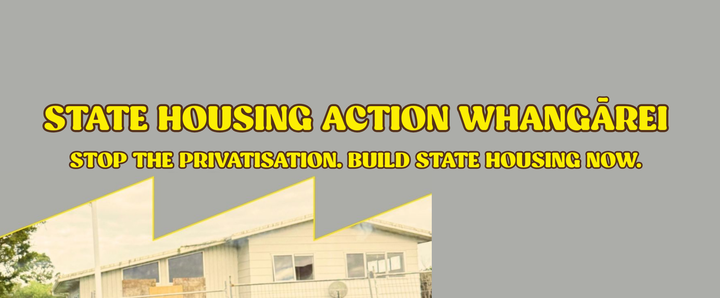 Keep building state housing in Tai TokerauEveryone in our community deserves to be housed. People should have agency over their housing, and it should be designed to be fully accessible and based on how people want to live. This would strengthen our communities, make life easier for whānau and provide the stability needed for a thriving city. But successive governments have not done enough to make sure everyone in our community has a suitable housing. Now, the National-led Government plan to sell off state housing and make it less available to our communities. This will lead to more people living in unaffordable and unsuitable private rentals, in their cars and on the streets. It also means that state-owned land will be privatised that should otherwise be returned to hapū and iwi for Māori housing solutions. In Tai Tokerau we have: - 1000+ households on the Housing Register - 5856+ people experiencing Severe Housing Deprivation (homelessness) *Census 2023 (grown since data was collected) - Kāinga Ora is selling 59 homes to the private market - And still, this National government has decided to cancel 40 developments, 450 homes that were in the pipeline, that would've housed whānau in need in Tai Tokerau[1] We know from our own history and from overseas, that when governments play a bigger role in building and providing decent and suitable housing, we lay the foundation for thriving communities. We have built state housing at scale as a solution before, and we can do it again. We are calling on Minister for Housing, Chris Bishop; Minister for Māori Development, Tama Potaka; MP for Whangārei, Shane Reti; and MP for Northland, Grant McCallum to advocate for the people of our communities to ensure that everyone has a decent, stable and accessible home, and to stop the sell off. References: 1. Critical housing shortage: Kāinga Ora axes 40 new Northland projects. Northern Advocate, 12 July 2025589 of 600 SignaturesCreated by State Housing Action Whangārei
 -
Wānaka
.png) Build public housing in the Queenstown Lakes DistrictPublic housing is a key way that the government can ensure everyone has a decent and stable home. It supports people to live in their communities, close to amenities and jobs. But for many towns and regions across the country, successive governments have not built state housing, which has forced people into expensive private rentals or into their cars. This is particularly true for tourist destinations like Wānaka and Queenstown where there is a lack of genuinely affordable rental accommodation for the very workers that keep these towns moving. Wānaka and Queenstown have an underlying homelessness issue that is swept under the carpet as they are perceived as higher socioeconomic areas. This means that homelessness is often invisible and ignored, and there is a lack of housing support systems. I am an example of this. I moved to Wānaka from New Plymouth to work in hospitality after the engineering consulting work I was doing dried up. I went from having stable and secure housing to being forced to reside in my car because there was a deep shortage of affordable accommodation. At the age of 60, I spent some nights sleeping in sub-zero temperatures. I was not alone. There were many others sleeping outside - some in cars and others in toilet blocks to stay warm. When requesting emergency accommodation from Work and Income, I was advised that there was no emergency housing available in Wānaka - because there was no need. Yet in 2021, a homeless man froze to death adjacent to the Upper Clutha Rugby Club in our community.[1] This is the same story in Queenstown, where people remain on the housing waitlist for long periods, sleeping in cars and on couches because there is a lack of state and community housing available.[2] People on work visas are hit particularly hard by the housing crisis, with stories of landlords renting out housing in terrible conditions and people sleeping in their cars[3]. At the time of the 2023 Census, Queenstown-Lakes District had 672 people who were severely housing deprived.[4] Yet, the Queenstown-Lakes District only has 15 state homes and 56 community housing provider homes.[5] This makes up just 0.3% of all dwellings. On top of this, many of the existing rental stock are rented out as short-term rentals such as Airbnb. At Census 2023, 27% of all dwellings were unoccupied compared to 10% nationally[6]. We are calling on decision makers to ensure that everyone in the Queenstown Lakes District has a decent and stable home by building public housing in our community - so workers have secure and genuinely affordable housing. References 1. Woman walking her dogs discovered homeless man dead in Wānaka bushes. Stuff, 20 May 2021 2. The social housing waitlist: Woman told no emergency homes available at all. RNZ, 22 May 2025 3. Queenstown living: Freezing in tents and cars, squeezing into squalid hovels. Stuff, 8 July 2025 4. Aotearoa Data Explorer. Severe Housing Deprivation. Stats NZ 5. The Housing Dashboard. Key Stats by TLA. Ministry of Housing and Urban Development 6. Dwelling Occupancy: Queenstown-Lakes District. Stats NZ1 of 100 SignaturesCreated by Mark Braddock
Build public housing in the Queenstown Lakes DistrictPublic housing is a key way that the government can ensure everyone has a decent and stable home. It supports people to live in their communities, close to amenities and jobs. But for many towns and regions across the country, successive governments have not built state housing, which has forced people into expensive private rentals or into their cars. This is particularly true for tourist destinations like Wānaka and Queenstown where there is a lack of genuinely affordable rental accommodation for the very workers that keep these towns moving. Wānaka and Queenstown have an underlying homelessness issue that is swept under the carpet as they are perceived as higher socioeconomic areas. This means that homelessness is often invisible and ignored, and there is a lack of housing support systems. I am an example of this. I moved to Wānaka from New Plymouth to work in hospitality after the engineering consulting work I was doing dried up. I went from having stable and secure housing to being forced to reside in my car because there was a deep shortage of affordable accommodation. At the age of 60, I spent some nights sleeping in sub-zero temperatures. I was not alone. There were many others sleeping outside - some in cars and others in toilet blocks to stay warm. When requesting emergency accommodation from Work and Income, I was advised that there was no emergency housing available in Wānaka - because there was no need. Yet in 2021, a homeless man froze to death adjacent to the Upper Clutha Rugby Club in our community.[1] This is the same story in Queenstown, where people remain on the housing waitlist for long periods, sleeping in cars and on couches because there is a lack of state and community housing available.[2] People on work visas are hit particularly hard by the housing crisis, with stories of landlords renting out housing in terrible conditions and people sleeping in their cars[3]. At the time of the 2023 Census, Queenstown-Lakes District had 672 people who were severely housing deprived.[4] Yet, the Queenstown-Lakes District only has 15 state homes and 56 community housing provider homes.[5] This makes up just 0.3% of all dwellings. On top of this, many of the existing rental stock are rented out as short-term rentals such as Airbnb. At Census 2023, 27% of all dwellings were unoccupied compared to 10% nationally[6]. We are calling on decision makers to ensure that everyone in the Queenstown Lakes District has a decent and stable home by building public housing in our community - so workers have secure and genuinely affordable housing. References 1. Woman walking her dogs discovered homeless man dead in Wānaka bushes. Stuff, 20 May 2021 2. The social housing waitlist: Woman told no emergency homes available at all. RNZ, 22 May 2025 3. Queenstown living: Freezing in tents and cars, squeezing into squalid hovels. Stuff, 8 July 2025 4. Aotearoa Data Explorer. Severe Housing Deprivation. Stats NZ 5. The Housing Dashboard. Key Stats by TLA. Ministry of Housing and Urban Development 6. Dwelling Occupancy: Queenstown-Lakes District. Stats NZ1 of 100 SignaturesCreated by Mark Braddock -
Auckland
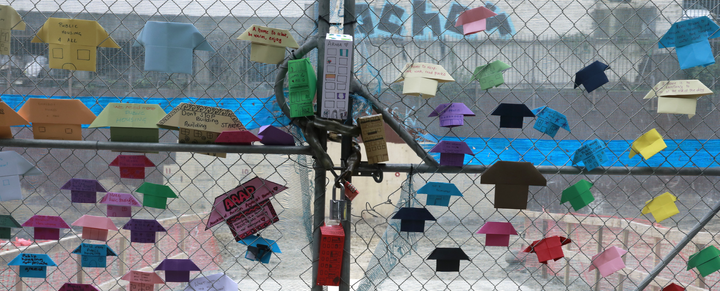.png) Support state housing in Waitematā Auckland CentralThe cost of housing affects us all. In Tāmaki Makaurau, we spend significantly more than the recommended 30% of income. Along with high rents and the decline of home ownership, many in Tāmaki Makaurau are facing housing insecurity. Housing and its cost-of-living impact many who are often only a paycheck away from homelessness. Significantly increasing state housing will help democratise the housing system by providing affordable, secure homes for our whanau and fellow citizens. Having a stable home is the foundation for a good life – it supports us to build connections with people and places. It creates the conditions for us to be able to connect and contribute to our communities. But successive governments have not done enough to make sure everyone in our community has suitable housing. Now, the National-led Government plans to sell off state housing, has cancelled developments already underway and will make it less available to our communities. This will lead to more people living in unaffordable and unsuitable private rentals, in their cars and on the streets. In the Waitematā Local Board (Auckland Central) area: • Auckland Council has counted a significant increase in “unsheltered homeless” living in the city[1] • The number of households on the Housing Register for Waitematā is 204 (as of June 2026)[2] • There are many more people living in housing stress, who are not on the Housing Register or visibly homeless. At the time of Census 2023 there were 2,517 people living in Severe Housing Deprivation in the Waitematā area[3] • A diverse range of people live and work here, not just the well-off • Vincent Street is a Kāinga Ora development for 53 homes, which has been cancelled. This development would have provided decent and stable housing, close to amenities We know from our own history and from overseas that when governments play a bigger role in building and providing decent and suitable housing, we lay the foundation for thriving communities. We have built state housing at scale as a solution before, and we can do it again. We are calling on decision makers to ensure that everyone in Auckland Central has a decent and stable home. Restarting the planning and construction of cancelled developments like Vincent Street as soon as possible is what we need to be doing to ensure this happens. References: 1. Analysis: Why it's wrong for politicians to dodge questions about homelessness. RNZ, 5 July 2026 2. MSD Housing Register. MSD, June 2026 3. Severe Housing Deprivation. Aotearoa Data Explorer. StatsNZ158 of 200 SignaturesCreated by Public Housing Futures Waitematā
Support state housing in Waitematā Auckland CentralThe cost of housing affects us all. In Tāmaki Makaurau, we spend significantly more than the recommended 30% of income. Along with high rents and the decline of home ownership, many in Tāmaki Makaurau are facing housing insecurity. Housing and its cost-of-living impact many who are often only a paycheck away from homelessness. Significantly increasing state housing will help democratise the housing system by providing affordable, secure homes for our whanau and fellow citizens. Having a stable home is the foundation for a good life – it supports us to build connections with people and places. It creates the conditions for us to be able to connect and contribute to our communities. But successive governments have not done enough to make sure everyone in our community has suitable housing. Now, the National-led Government plans to sell off state housing, has cancelled developments already underway and will make it less available to our communities. This will lead to more people living in unaffordable and unsuitable private rentals, in their cars and on the streets. In the Waitematā Local Board (Auckland Central) area: • Auckland Council has counted a significant increase in “unsheltered homeless” living in the city[1] • The number of households on the Housing Register for Waitematā is 204 (as of June 2026)[2] • There are many more people living in housing stress, who are not on the Housing Register or visibly homeless. At the time of Census 2023 there were 2,517 people living in Severe Housing Deprivation in the Waitematā area[3] • A diverse range of people live and work here, not just the well-off • Vincent Street is a Kāinga Ora development for 53 homes, which has been cancelled. This development would have provided decent and stable housing, close to amenities We know from our own history and from overseas that when governments play a bigger role in building and providing decent and suitable housing, we lay the foundation for thriving communities. We have built state housing at scale as a solution before, and we can do it again. We are calling on decision makers to ensure that everyone in Auckland Central has a decent and stable home. Restarting the planning and construction of cancelled developments like Vincent Street as soon as possible is what we need to be doing to ensure this happens. References: 1. Analysis: Why it's wrong for politicians to dodge questions about homelessness. RNZ, 5 July 2026 2. MSD Housing Register. MSD, June 2026 3. Severe Housing Deprivation. Aotearoa Data Explorer. StatsNZ158 of 200 SignaturesCreated by Public Housing Futures Waitematā